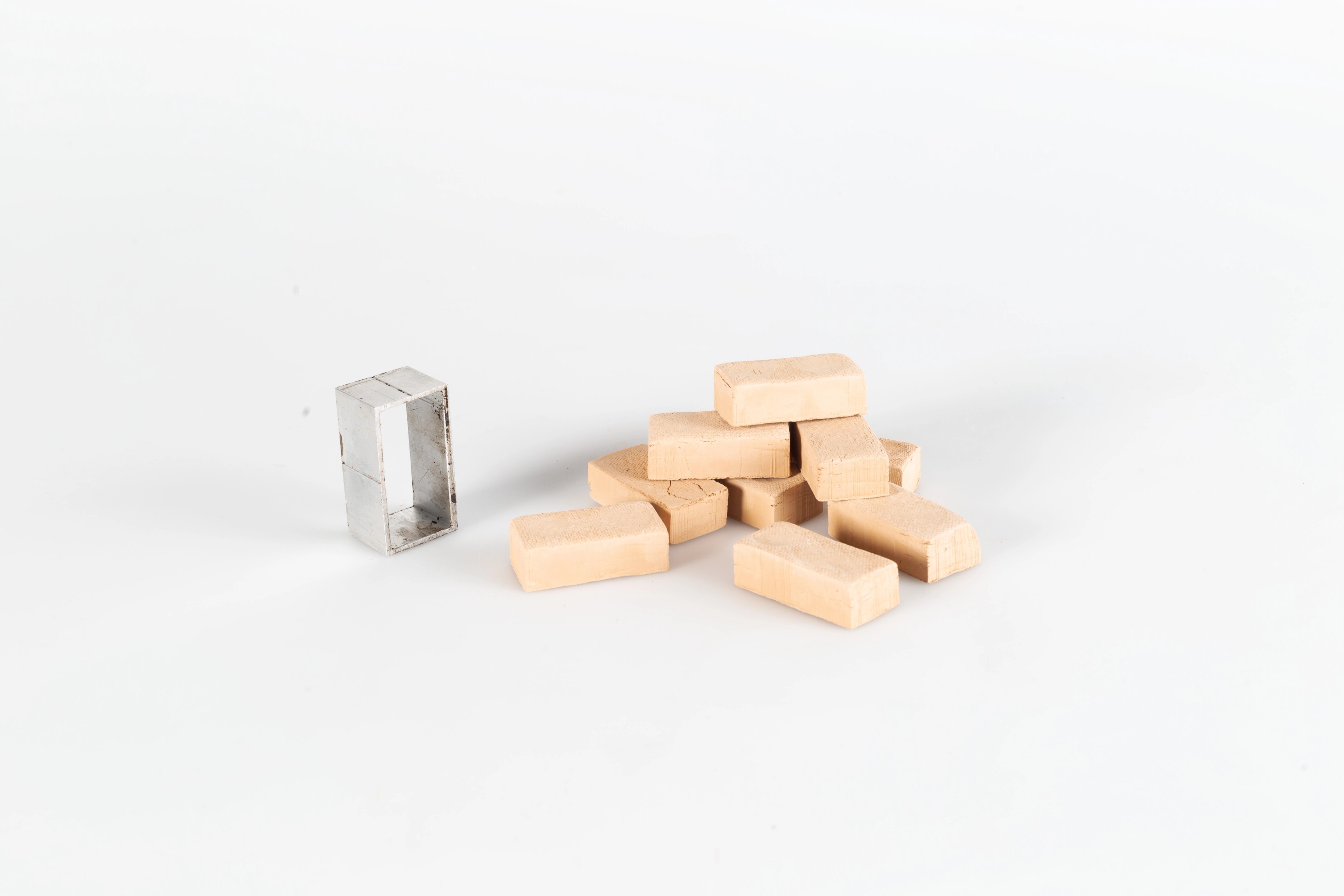
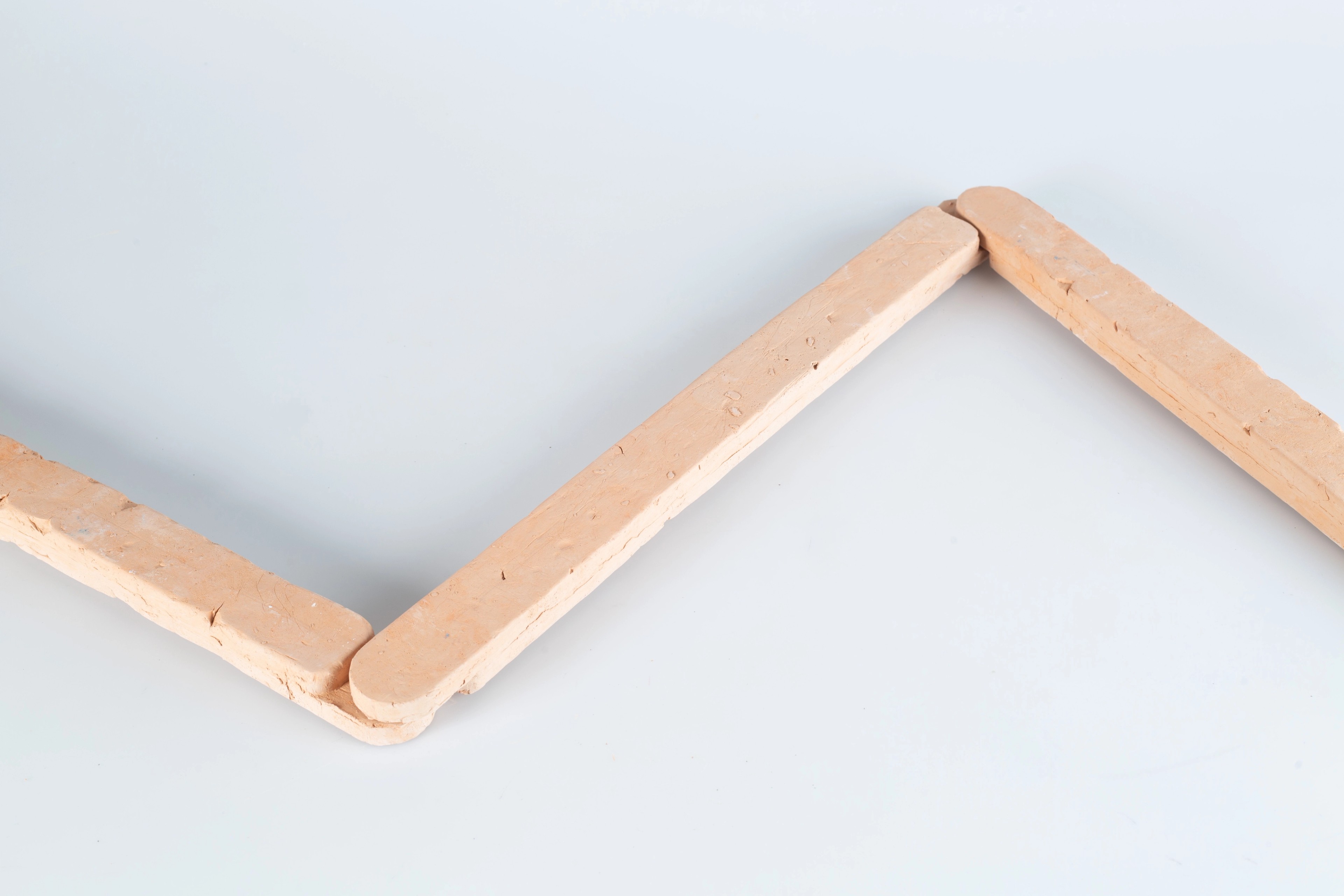
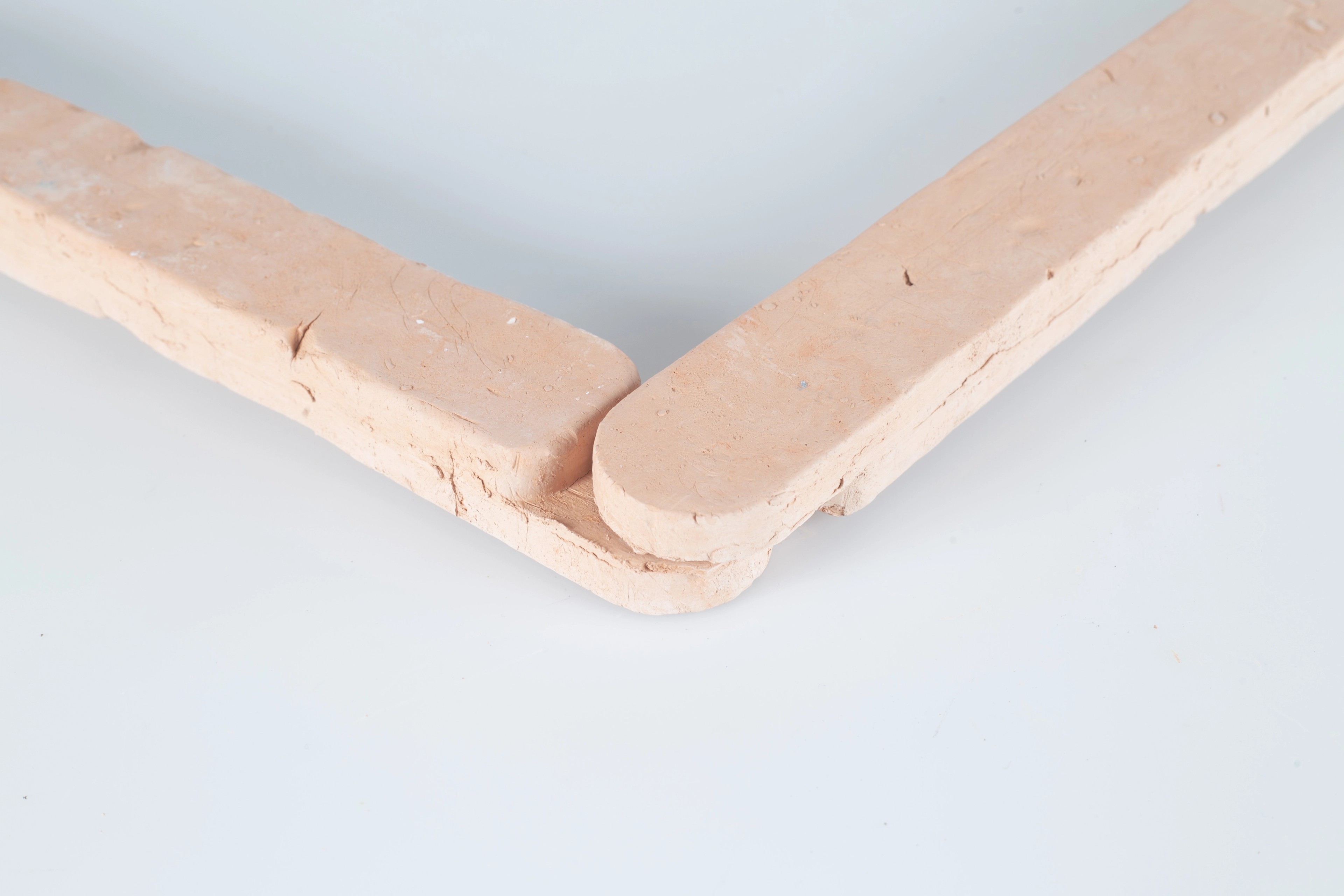
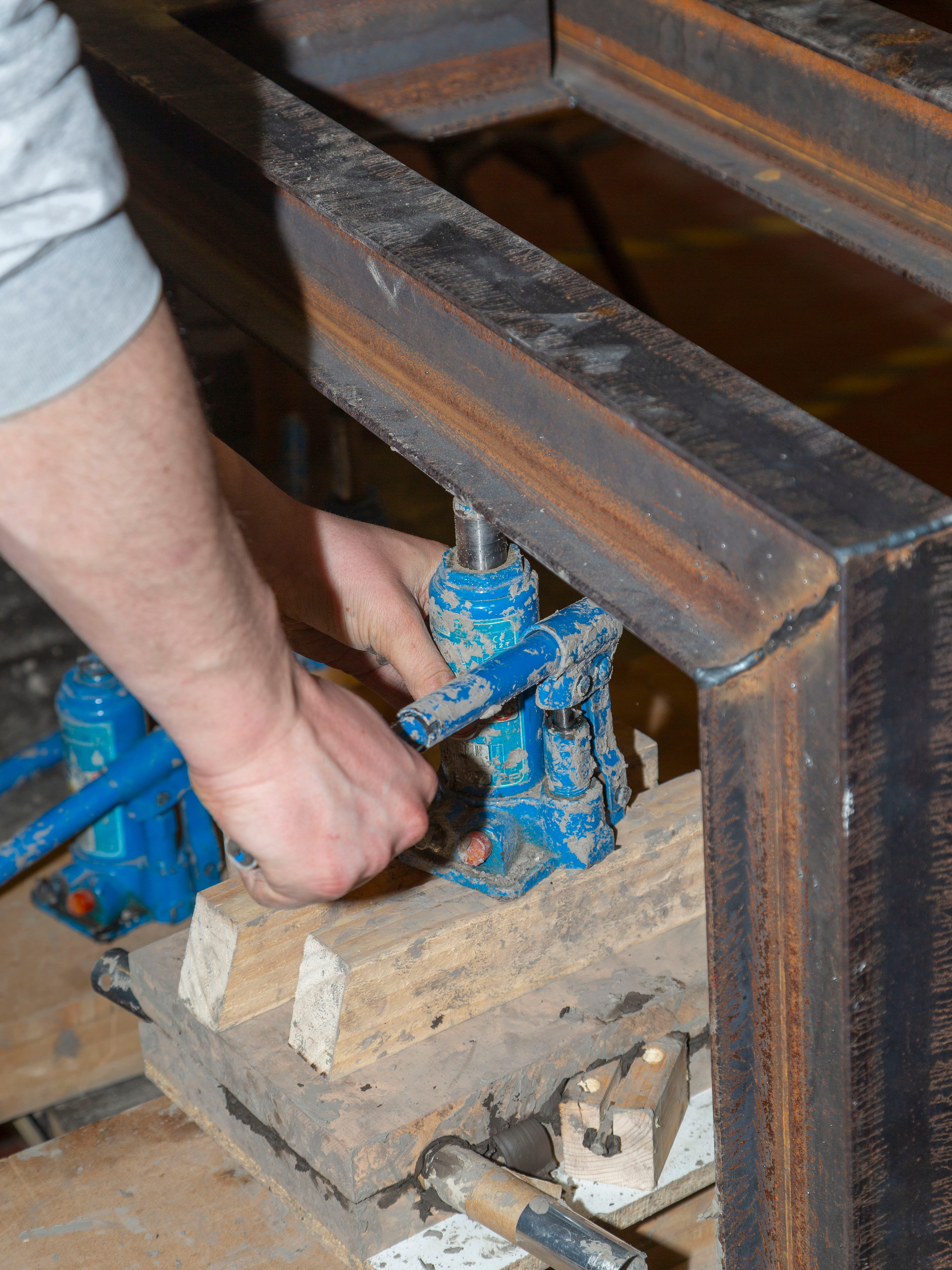
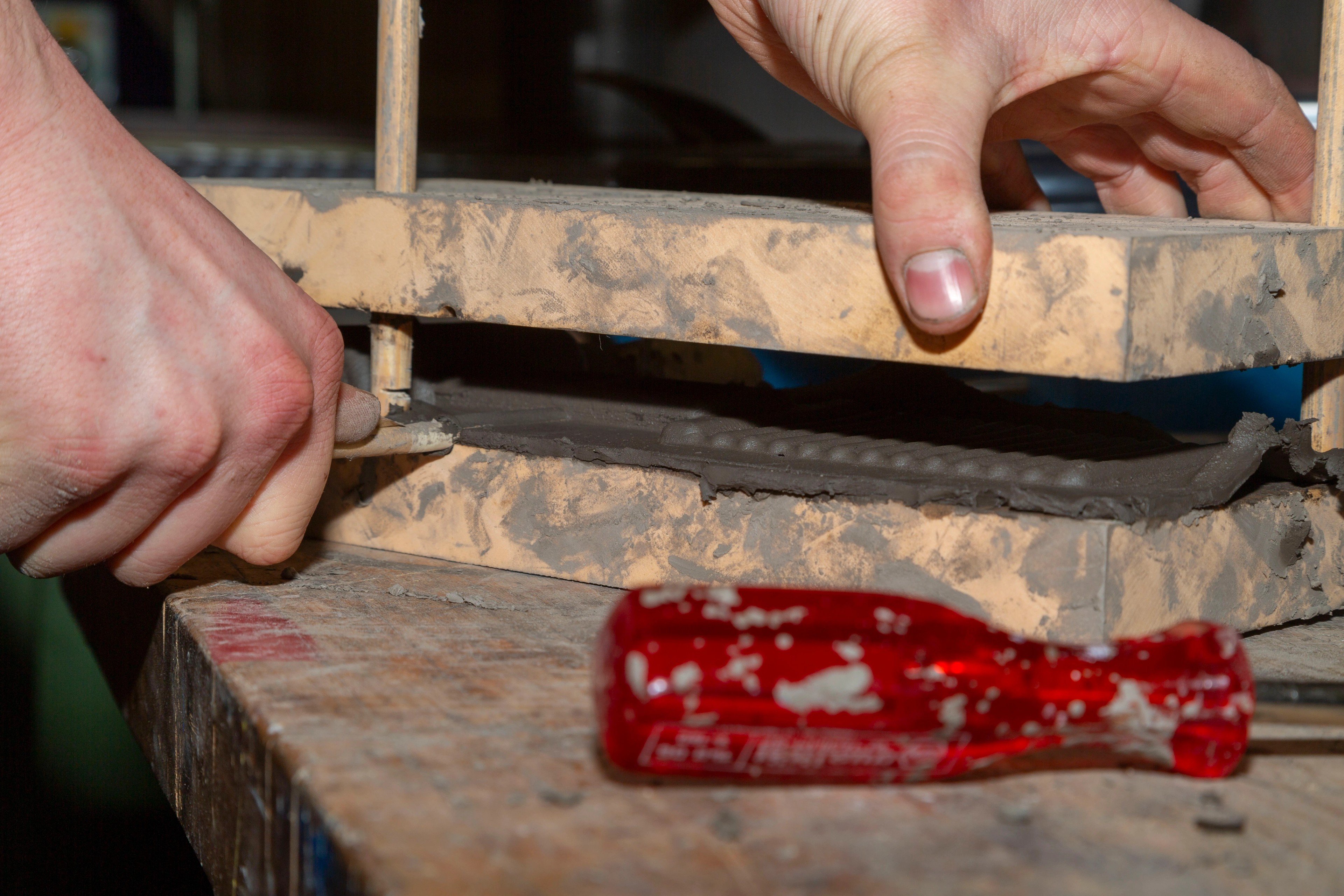
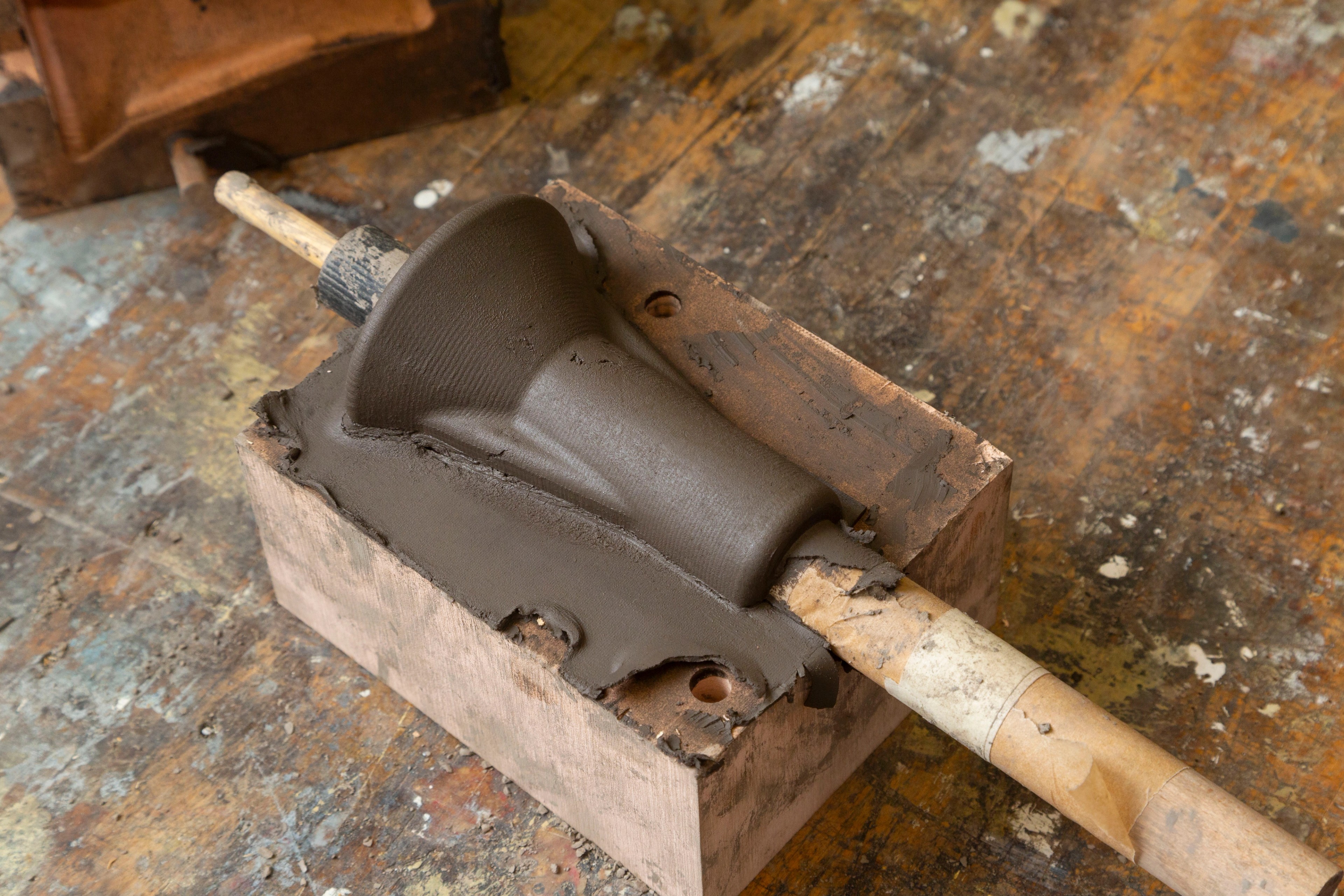
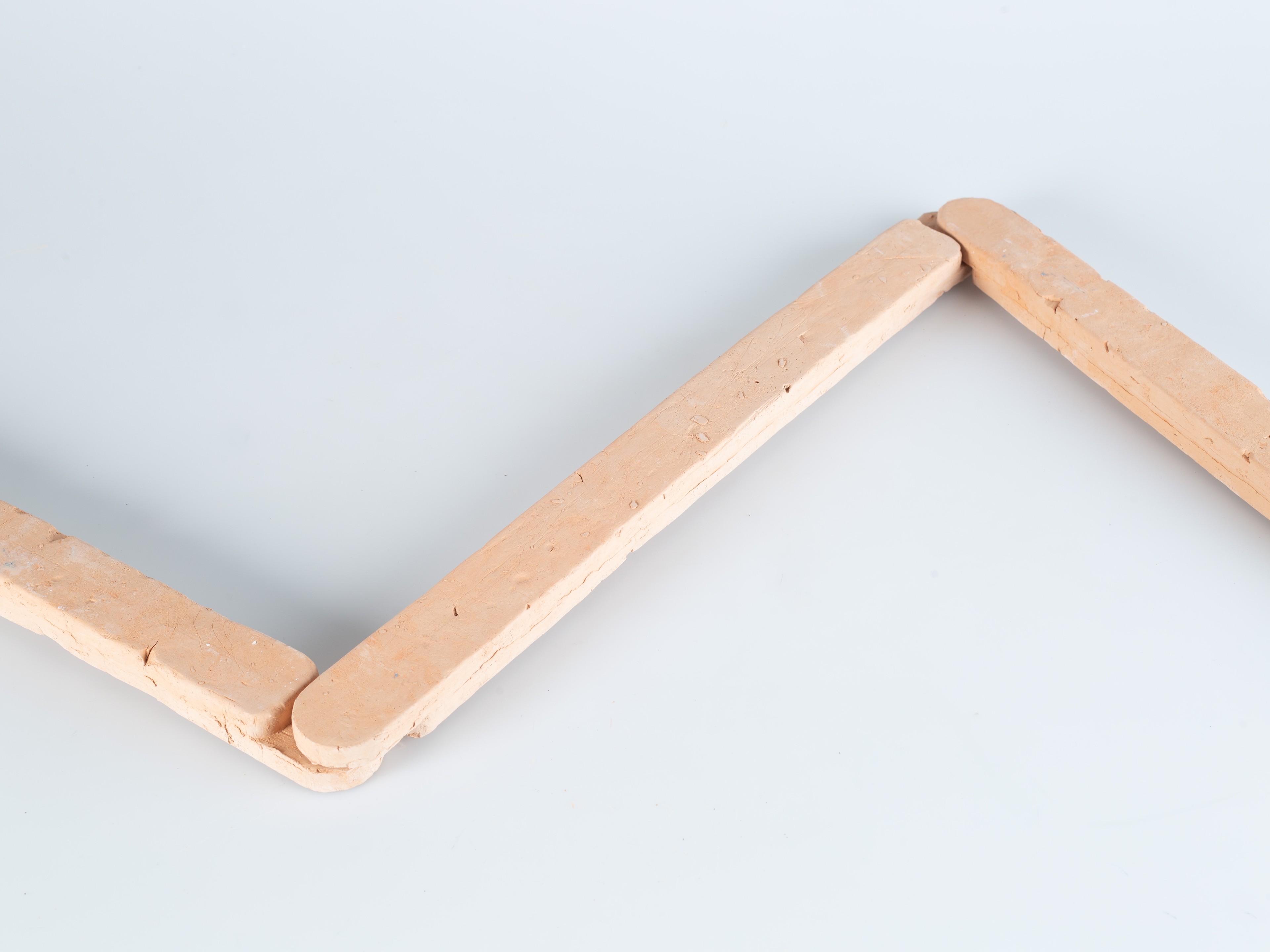
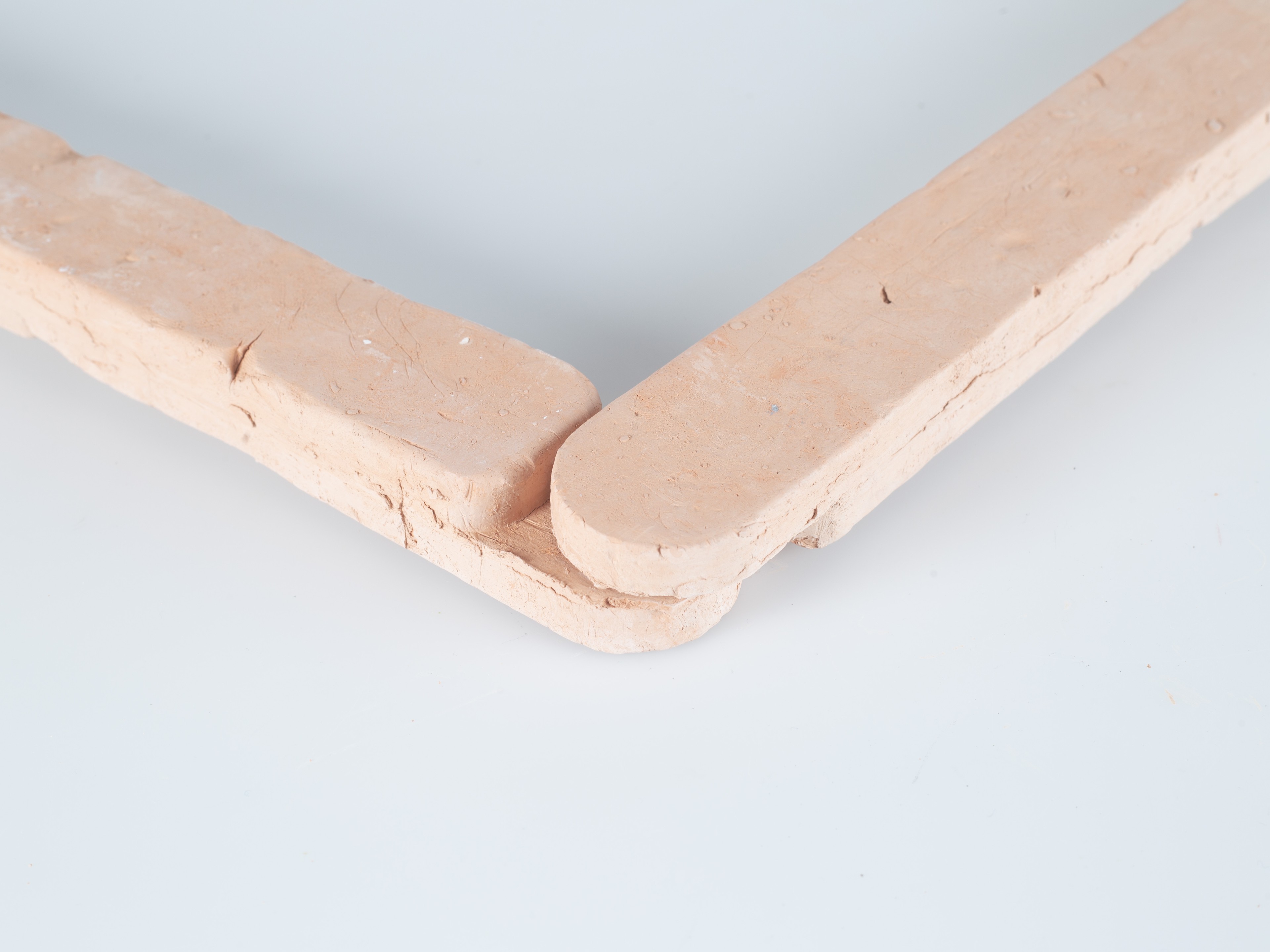
Using a technique that is traditionally used to make roof tiles and bricks, I designed a lamp family. The process called clay-press-molding allows for a high degree of detail, fast production and uses the cheap and abundant material of clay. My Bachelor project aims to show that design can help revive local production by indentifying production methods that can be reinterpreted in different contexts. The choice of material and technique was made by looking at the landscape of traditional industrial production in the area in and around Berlin, which was almost entirely built using press-formed bricks and roof tiles. While a large part of the huge industry that produced these parts is now defunct, some of it remains, mostly in the rural area surrounding the city.
Lighting
Brick Lamps
Lighting
Brick Lamps
Using a technique that is traditionally used to make roof tiles and bricks, I designed a lamp family. The process called clay-press-molding allows for a high degree of detail, fast production and uses the cheap and abundant material of clay. My Bachelor project aims to show that design can help revive local production by indentifying production methods that can be reinterpreted in different contexts. The choice of material and technique was made by looking at the landscape of traditional industrial production in the area in and around Berlin, which was almost entirely built using press-formed bricks and roof tiles. While a large part of the huge industry that produced these parts is now defunct, some of it remains, mostly in the rural area surrounding the city.
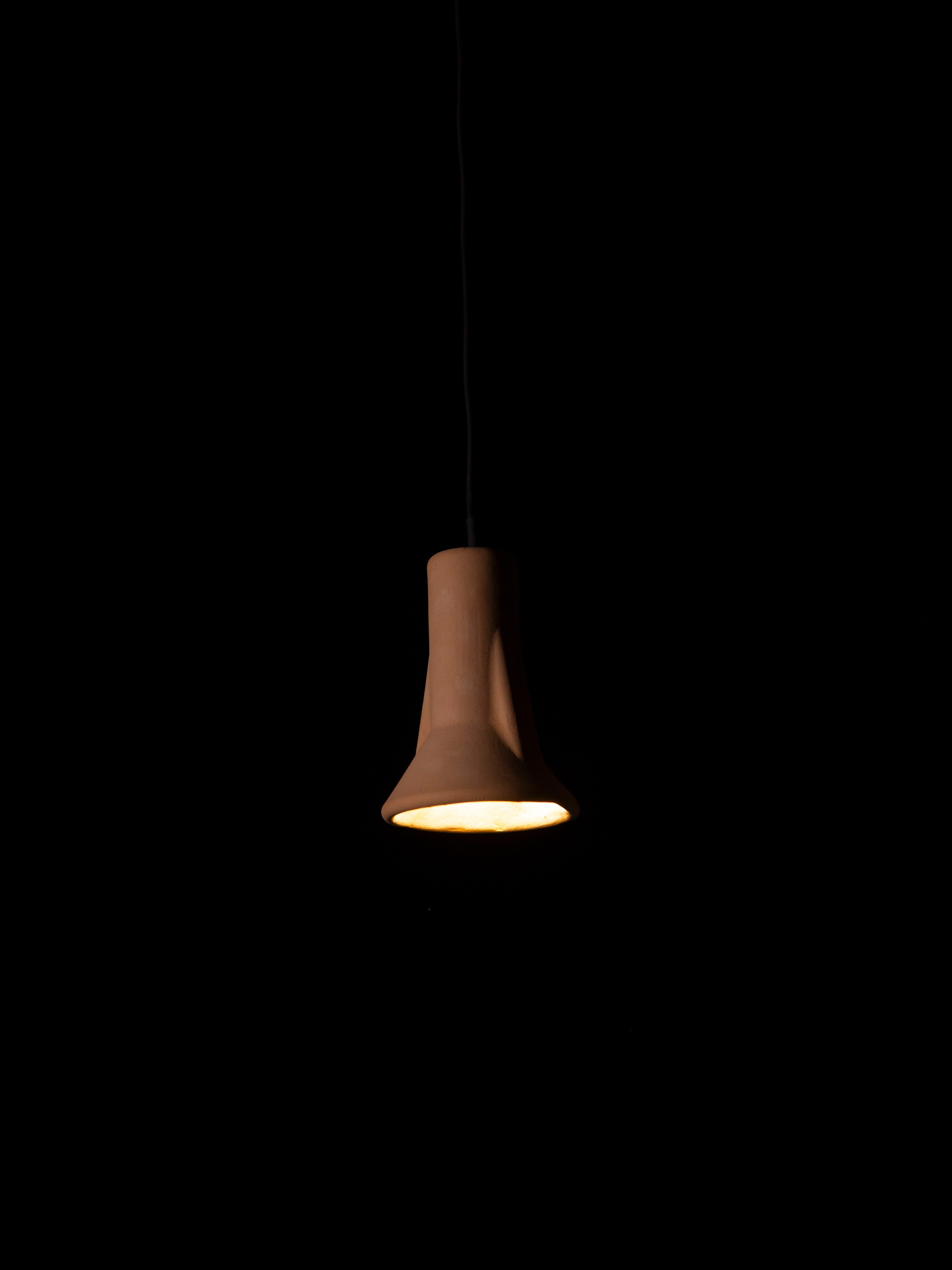
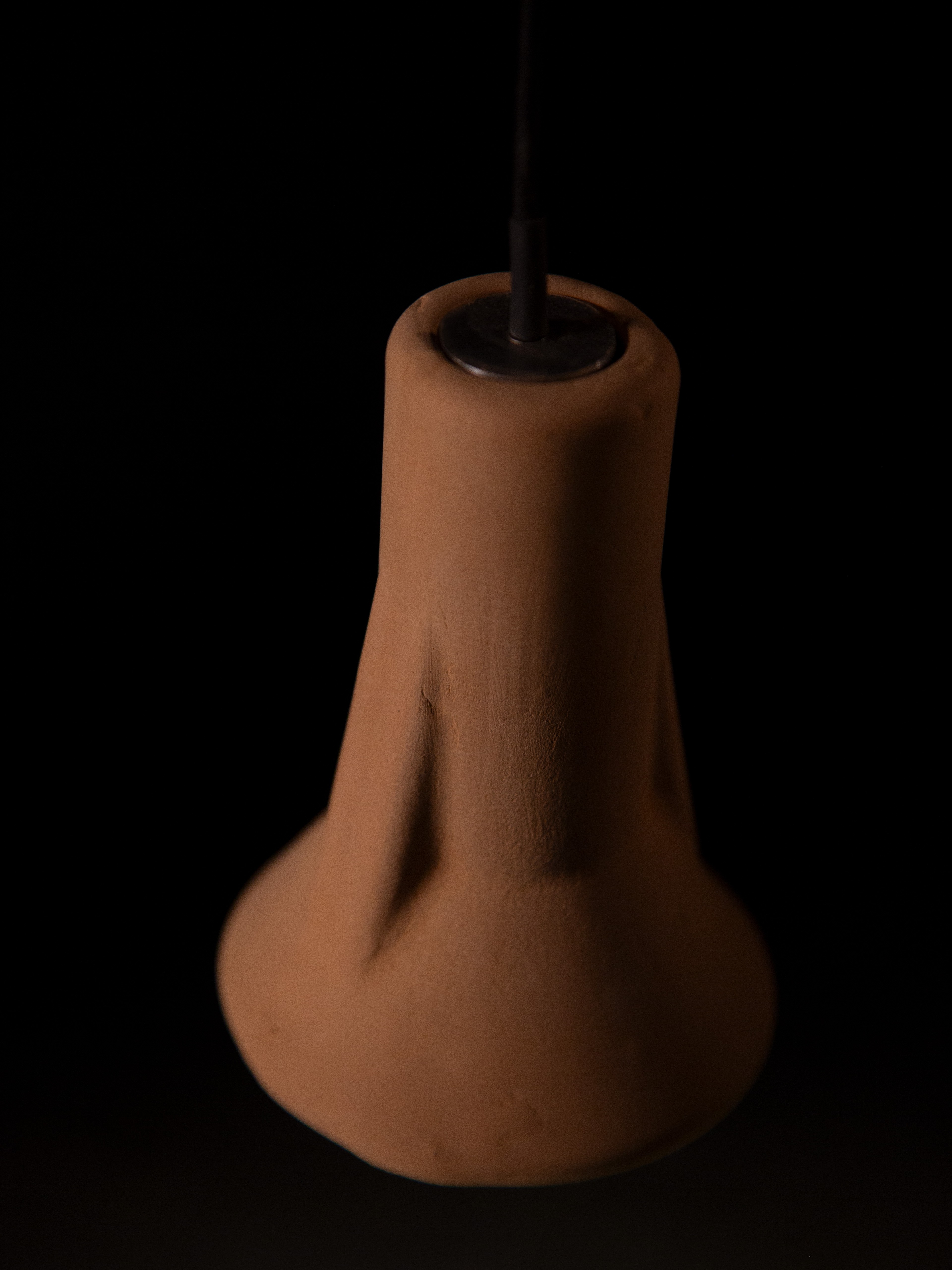
Pendant
Small pendant lamp perfect for dinner tables or hallways.
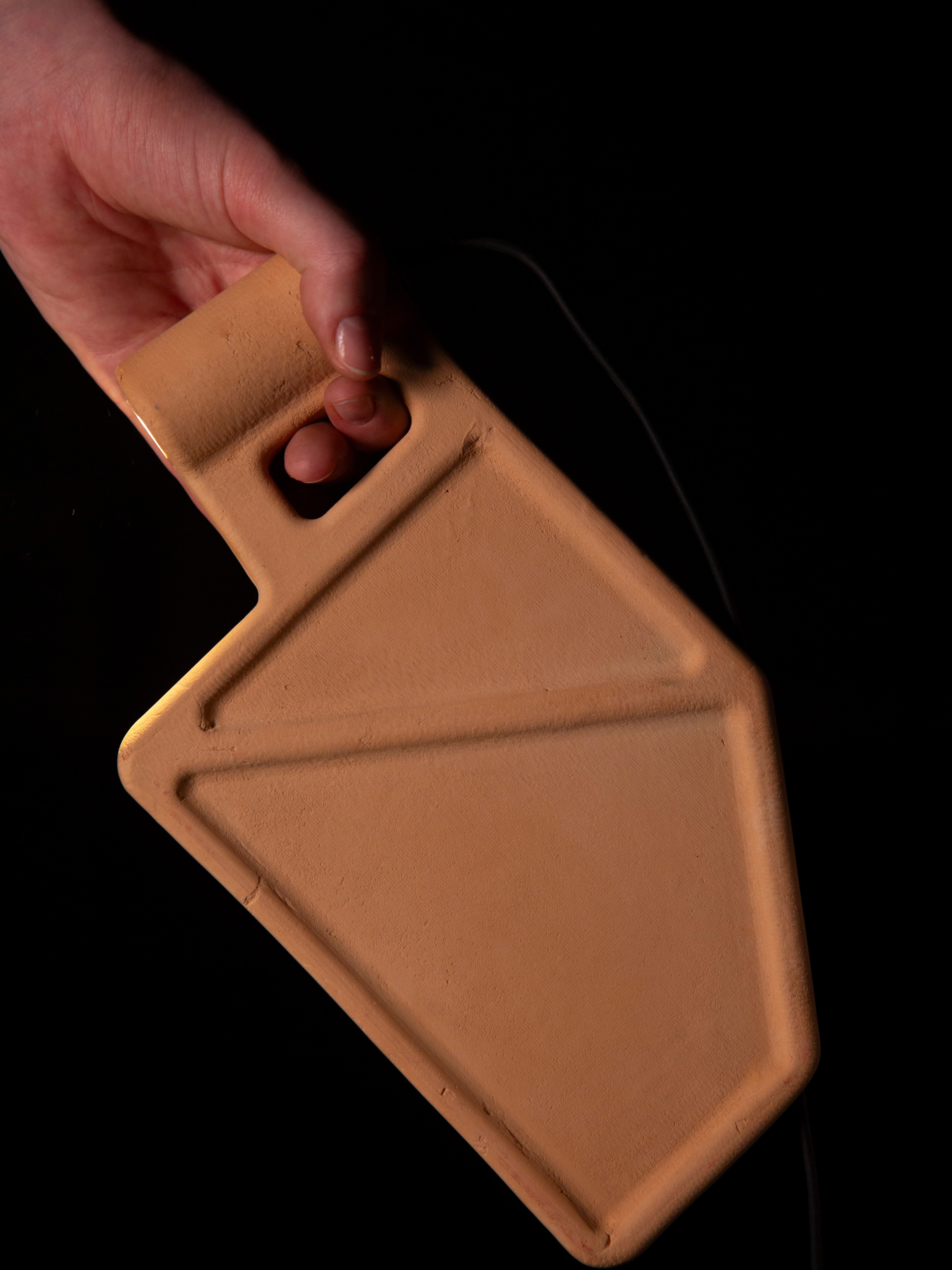
Book Lamp
The body of the lamp slides into a shelf like a book, creating a downlight for a living room or library.
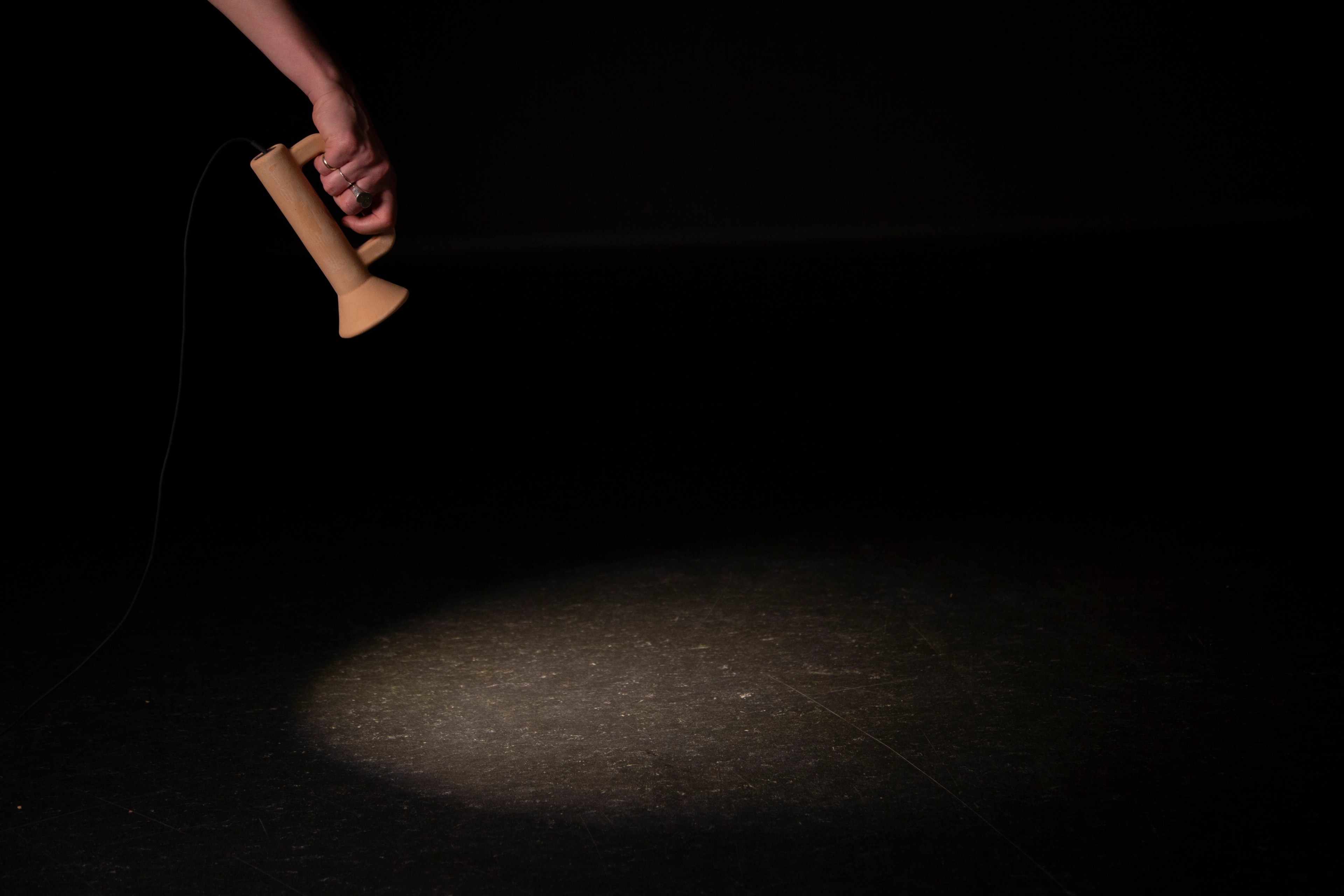
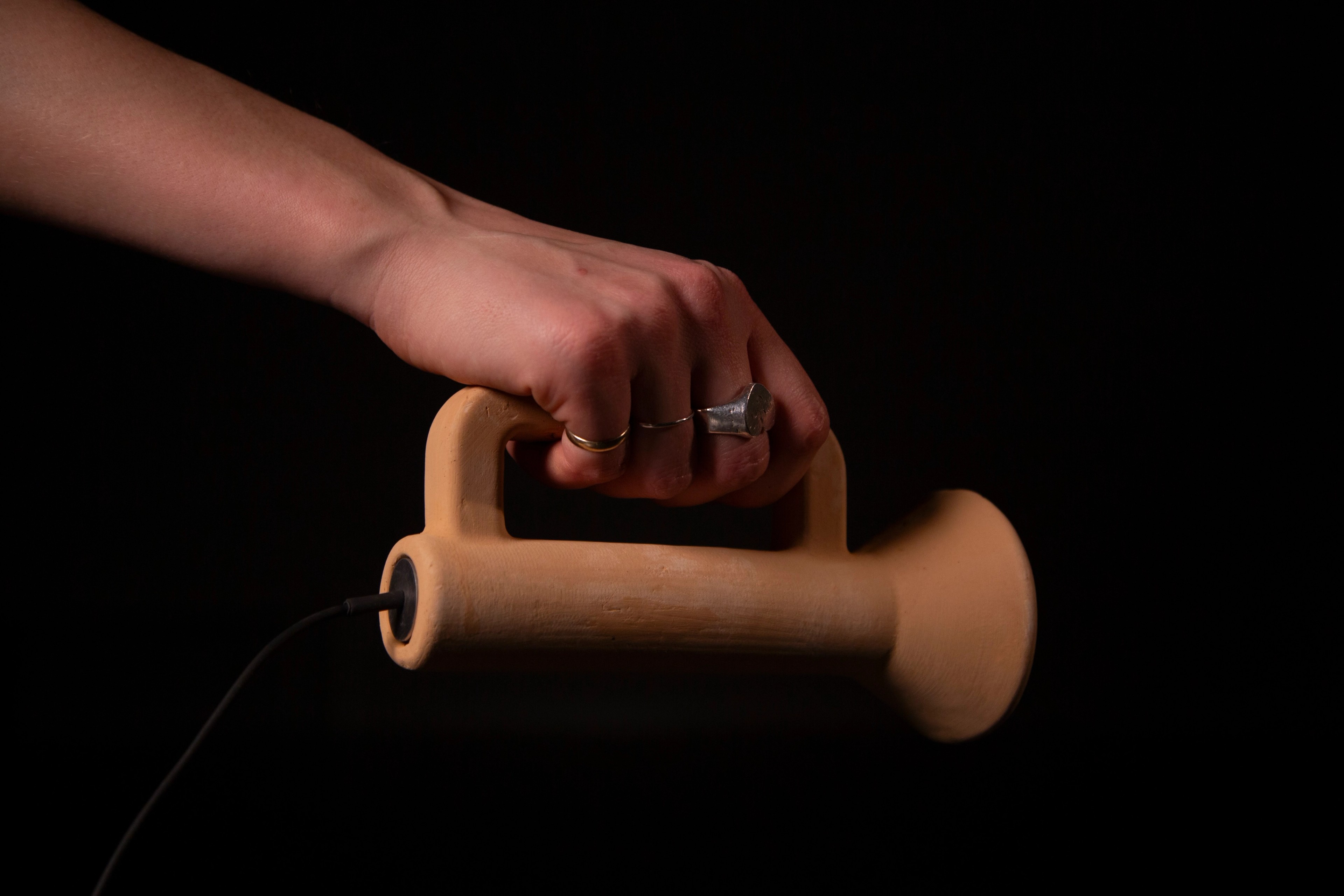
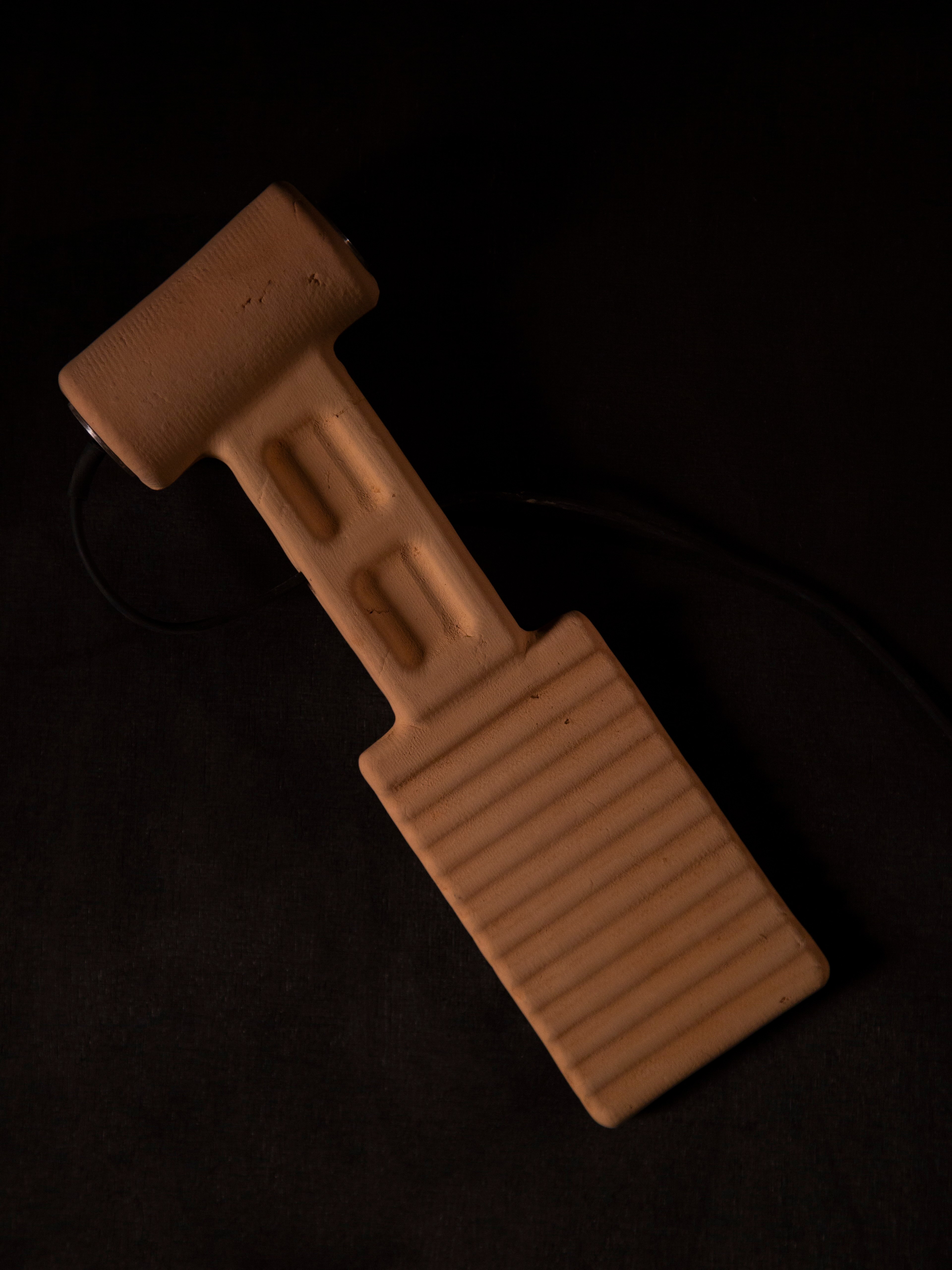
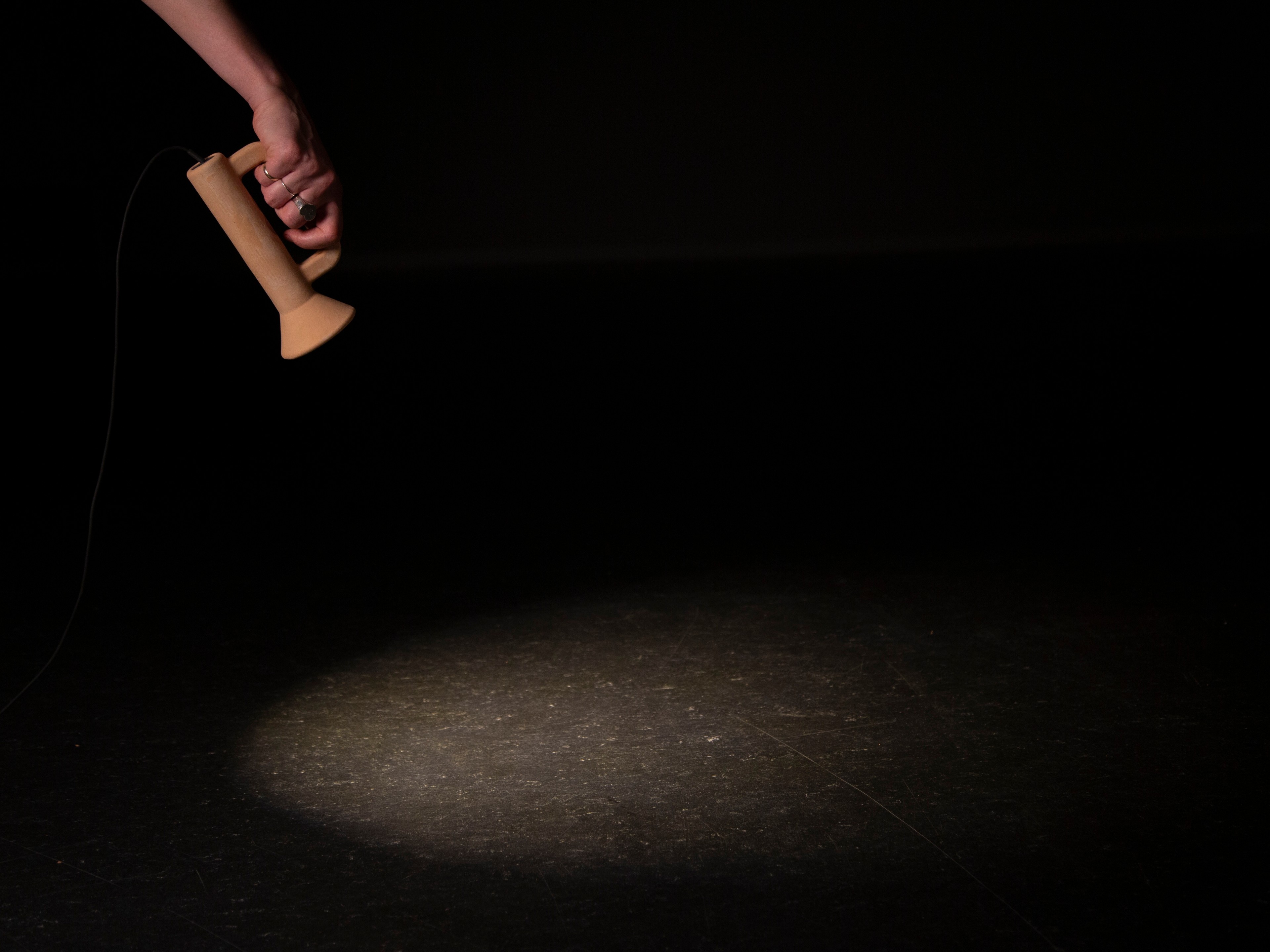
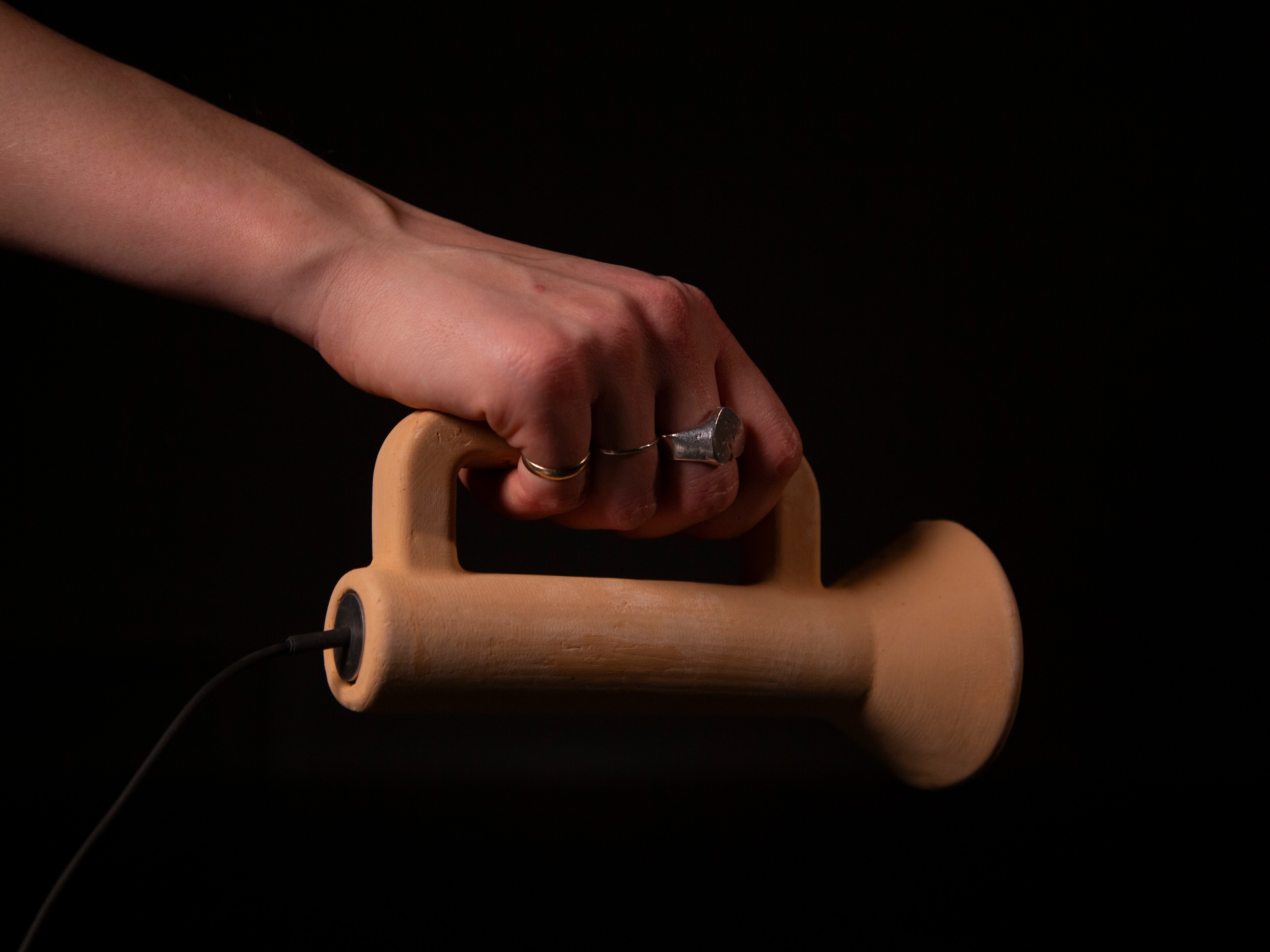
Flashlight
This flashlight is neither practical nor durable. Satisfying to hold and can be hung on a hook.
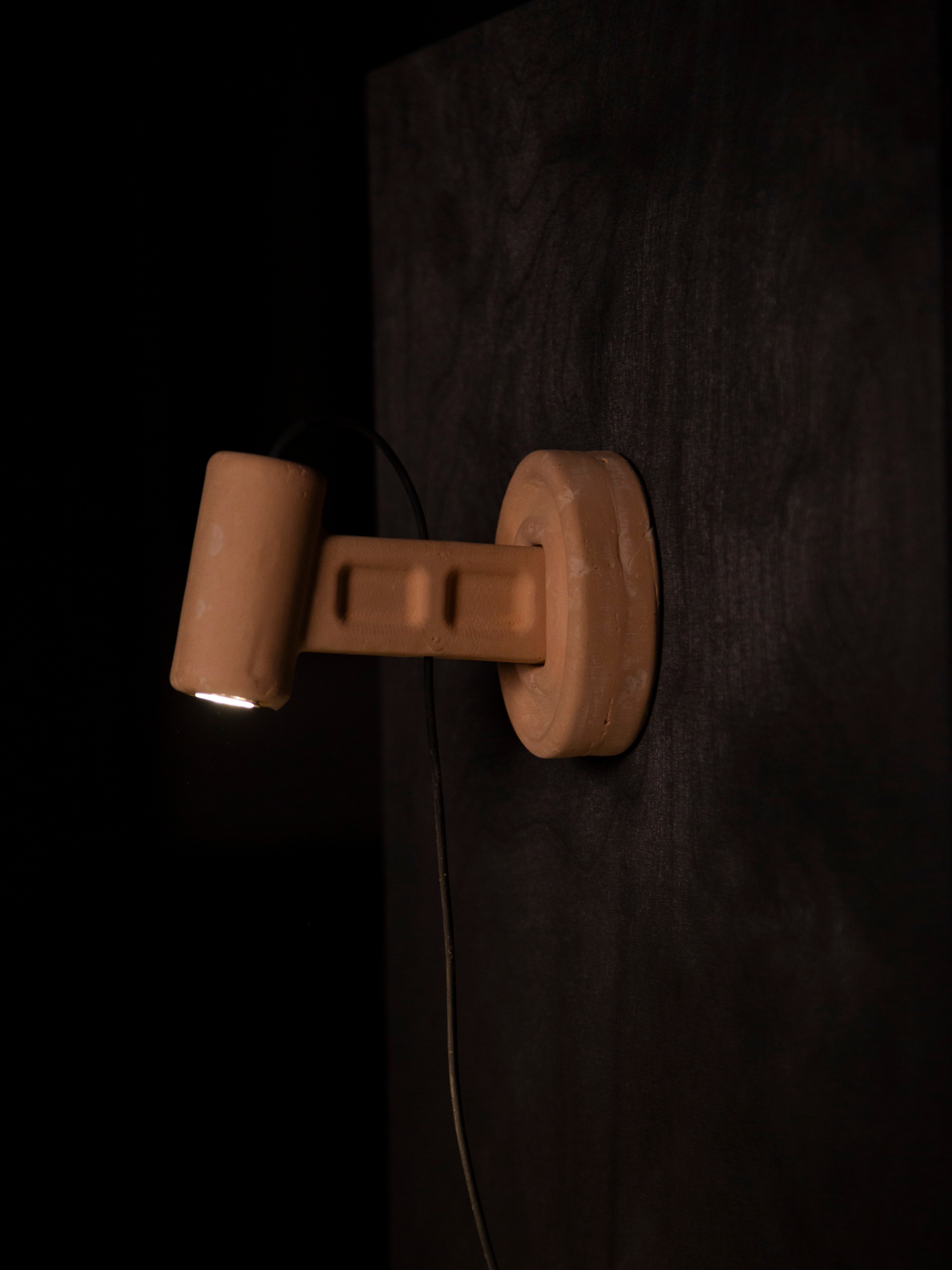
Wall Spot
Wall-mounted spot that comes in two versions: With a screw-wall mount and as an architectural component that is built directly into the wall for outdoor use.
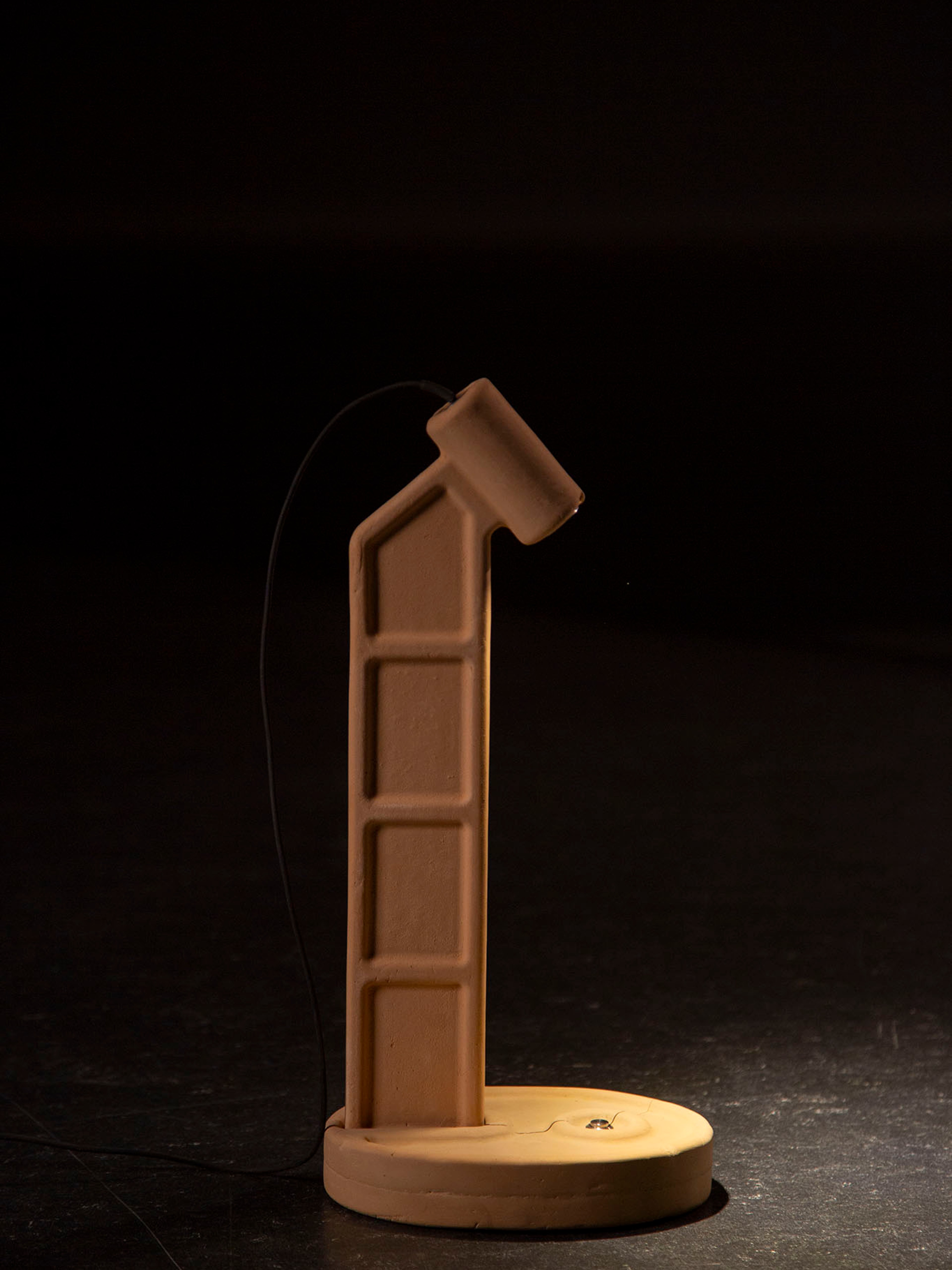
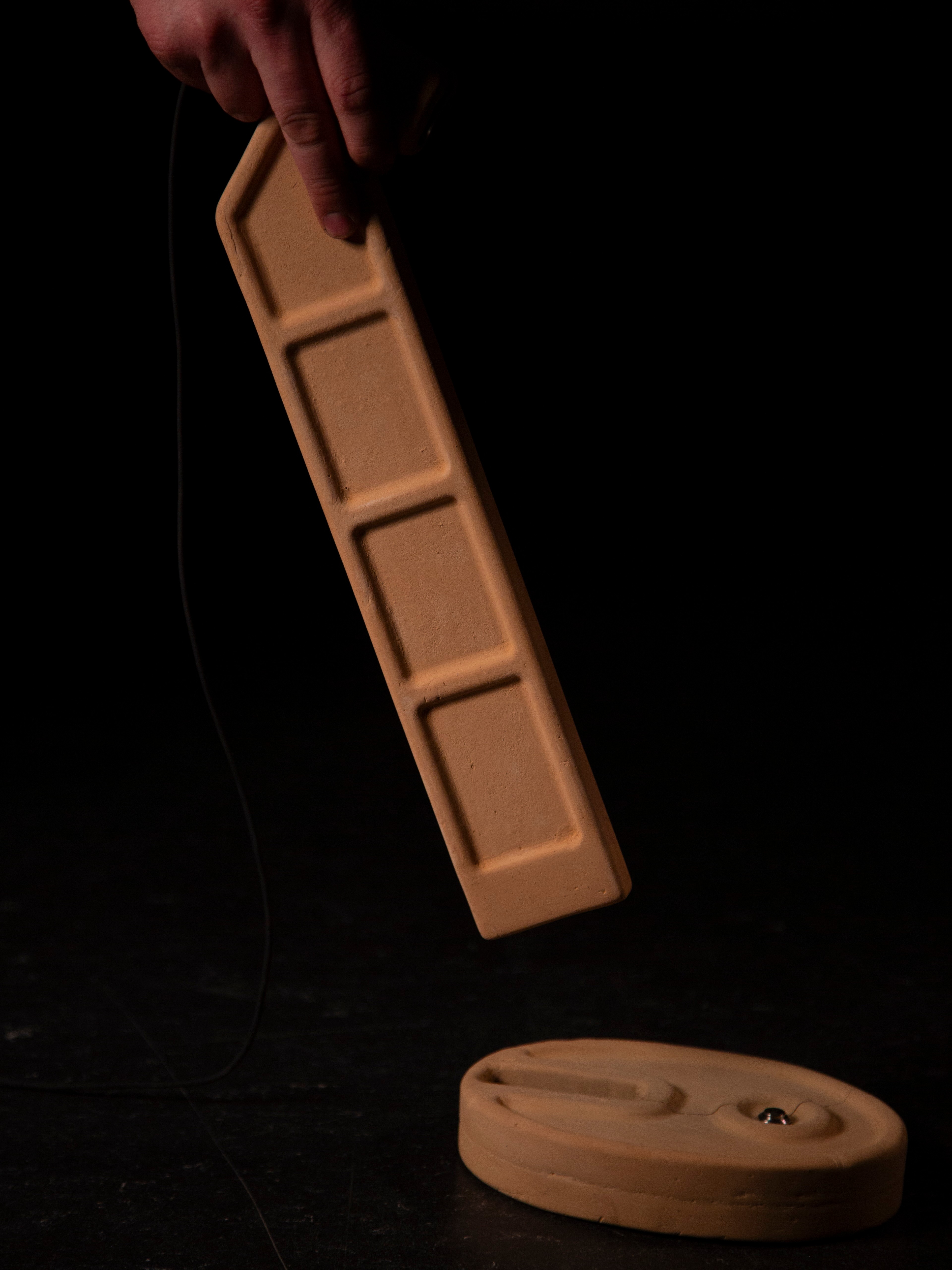
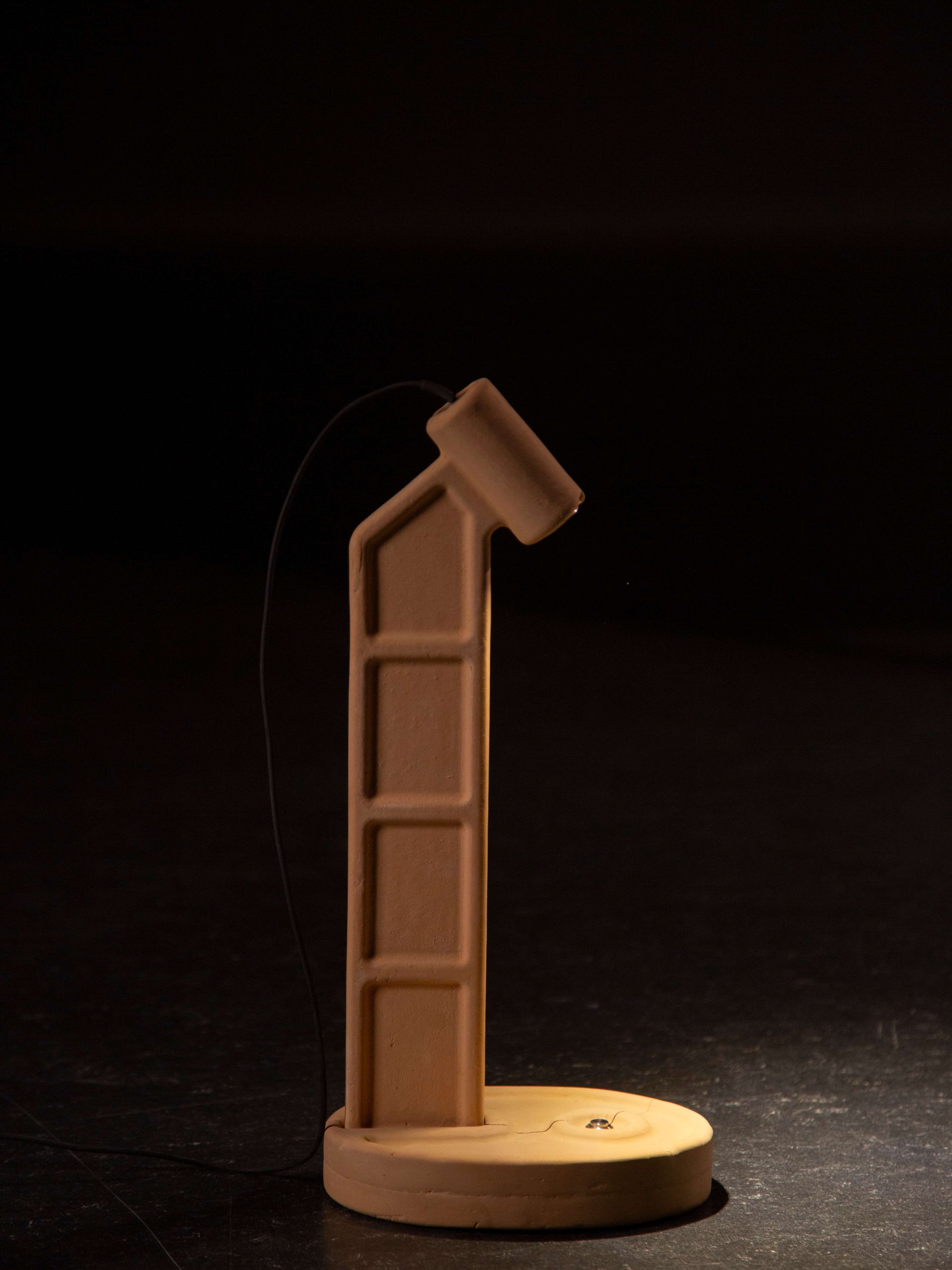
Desk Lamp
Table-top lamp for desk or side-table use. Consists of two parts
Experiment
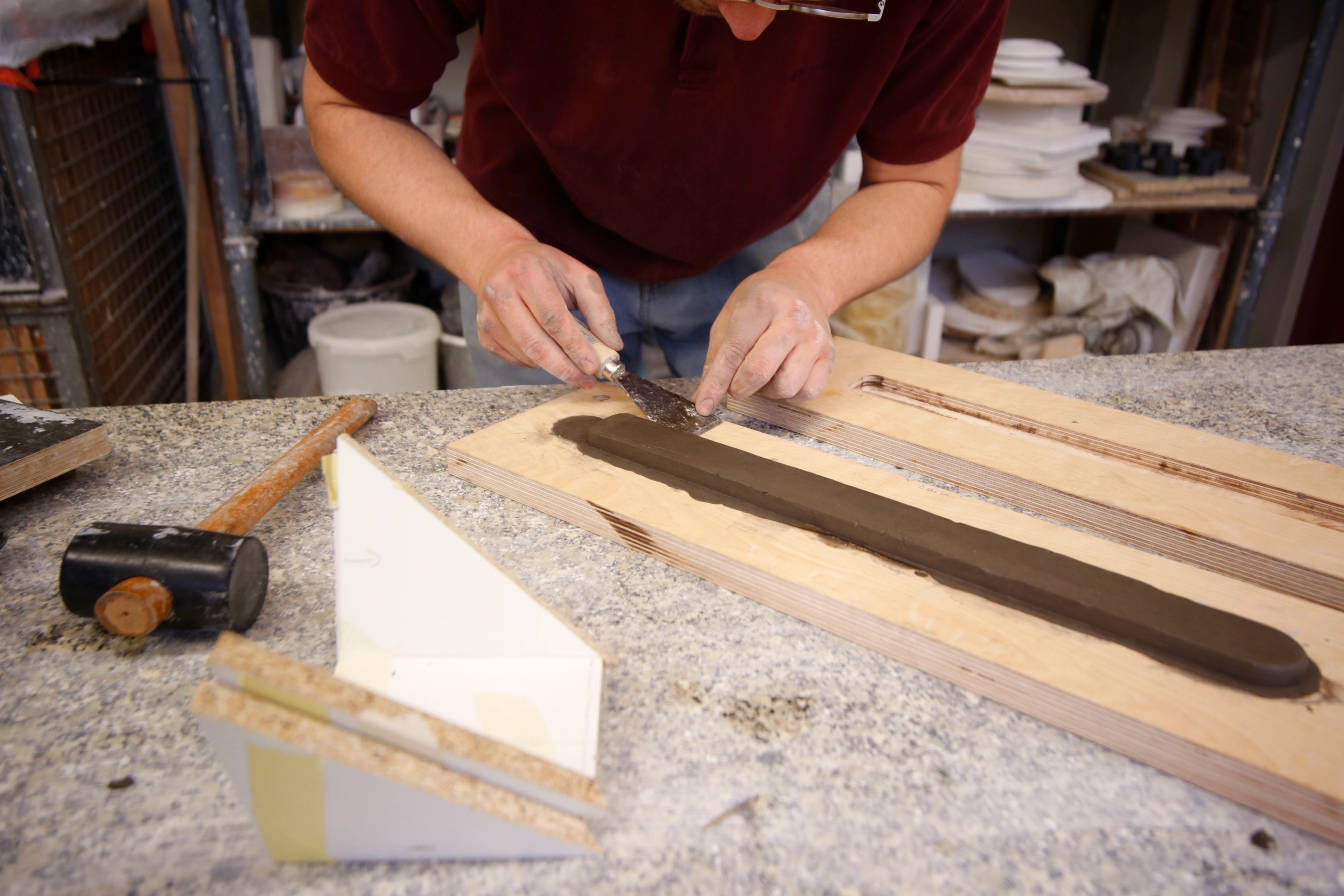
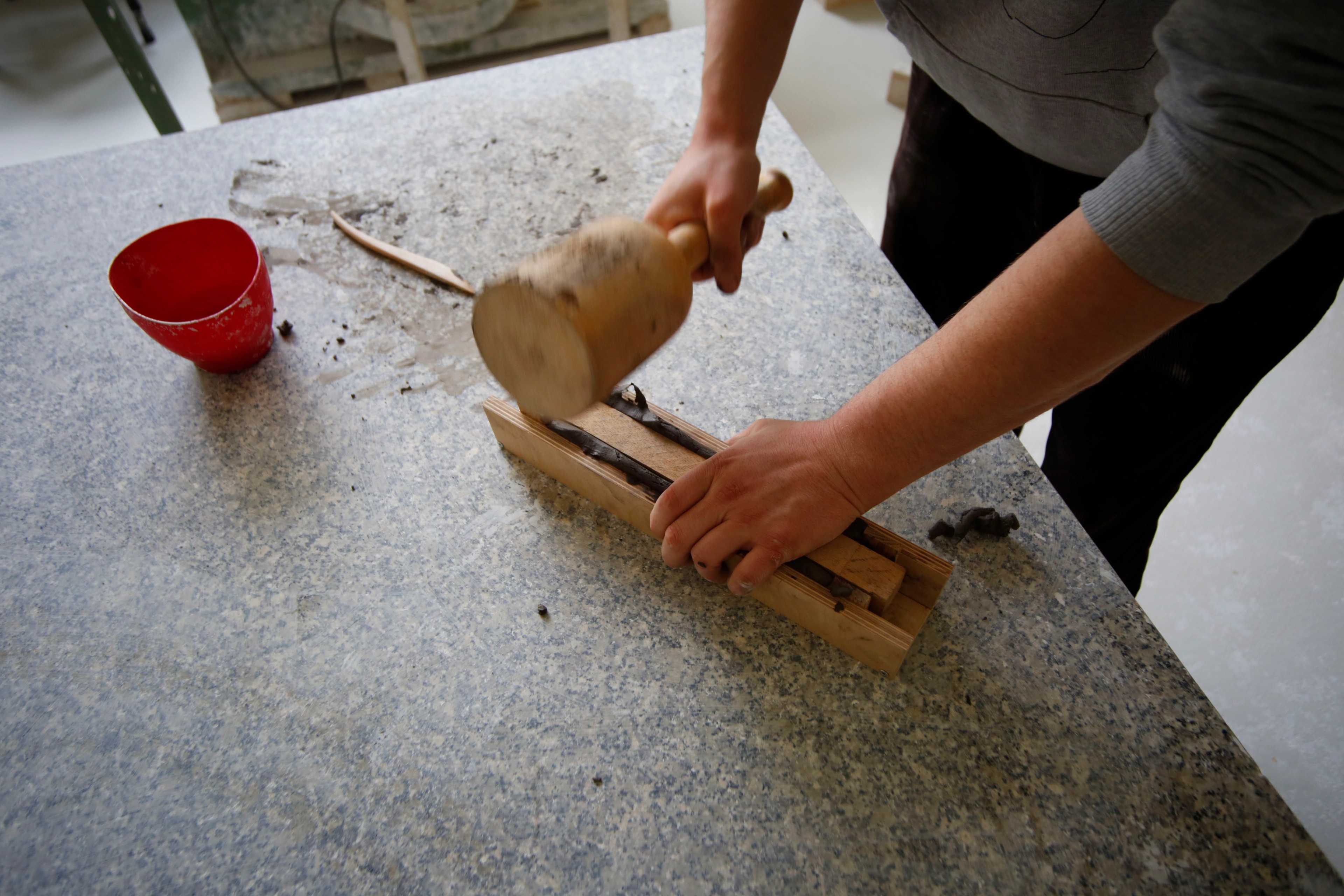
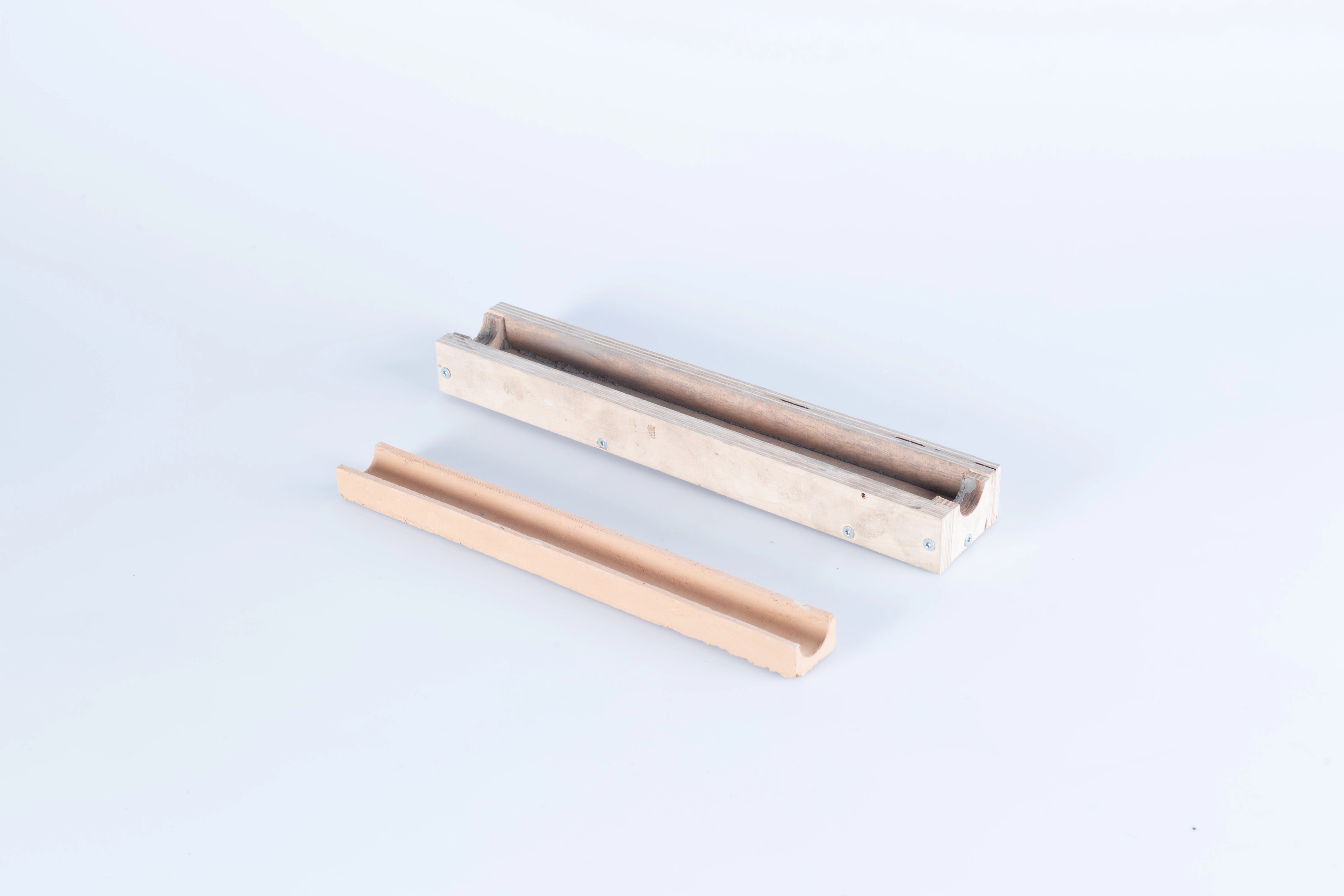
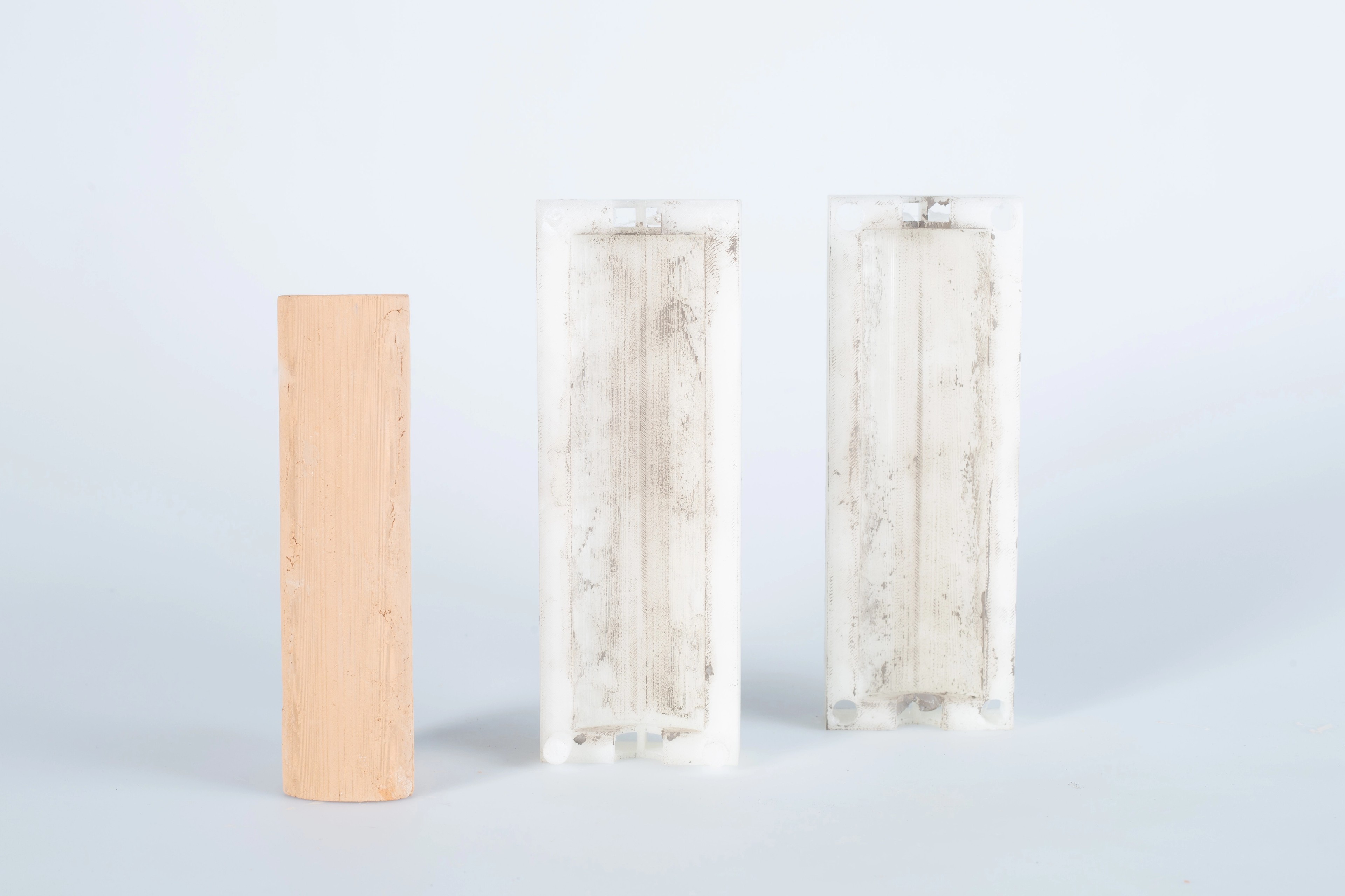
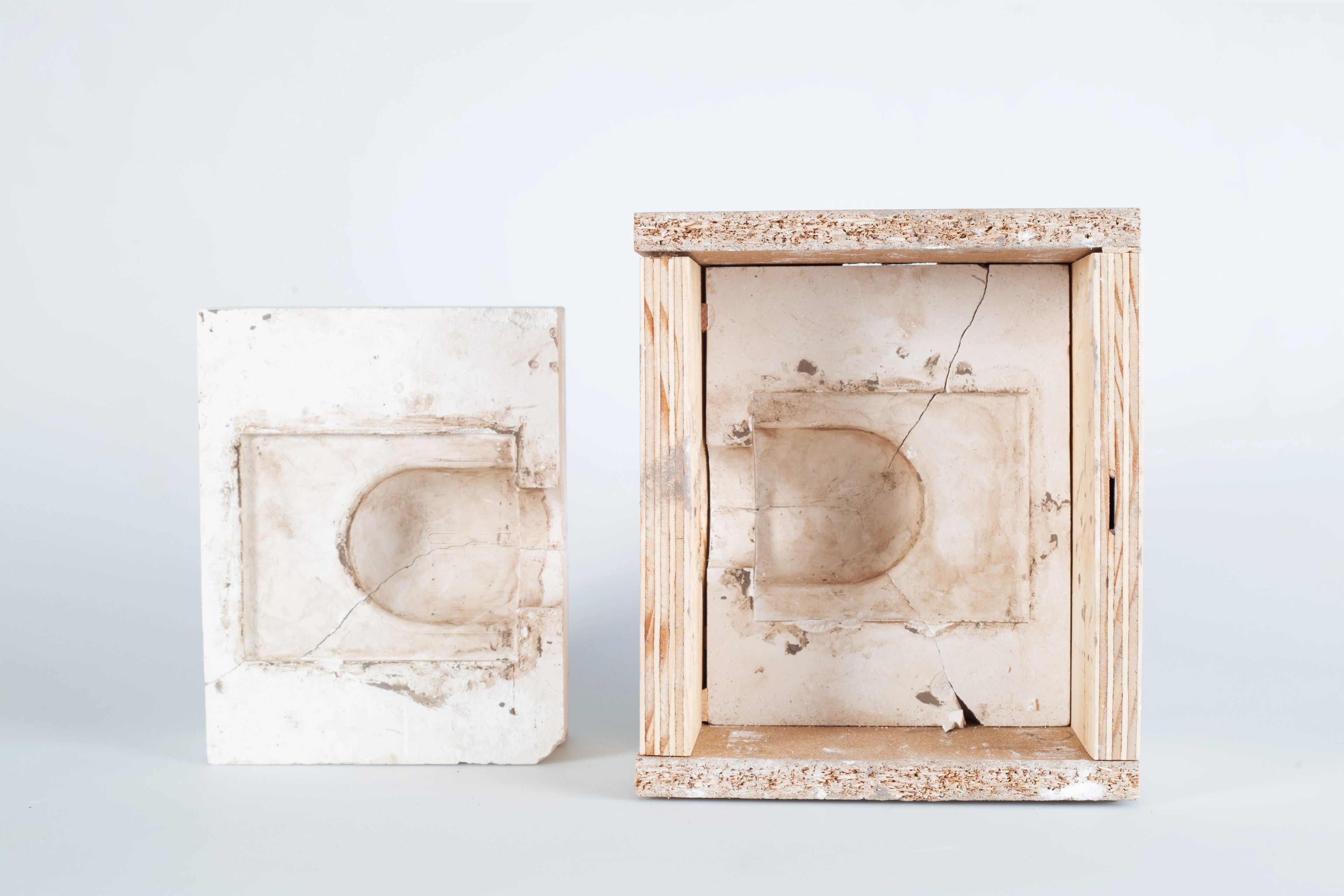
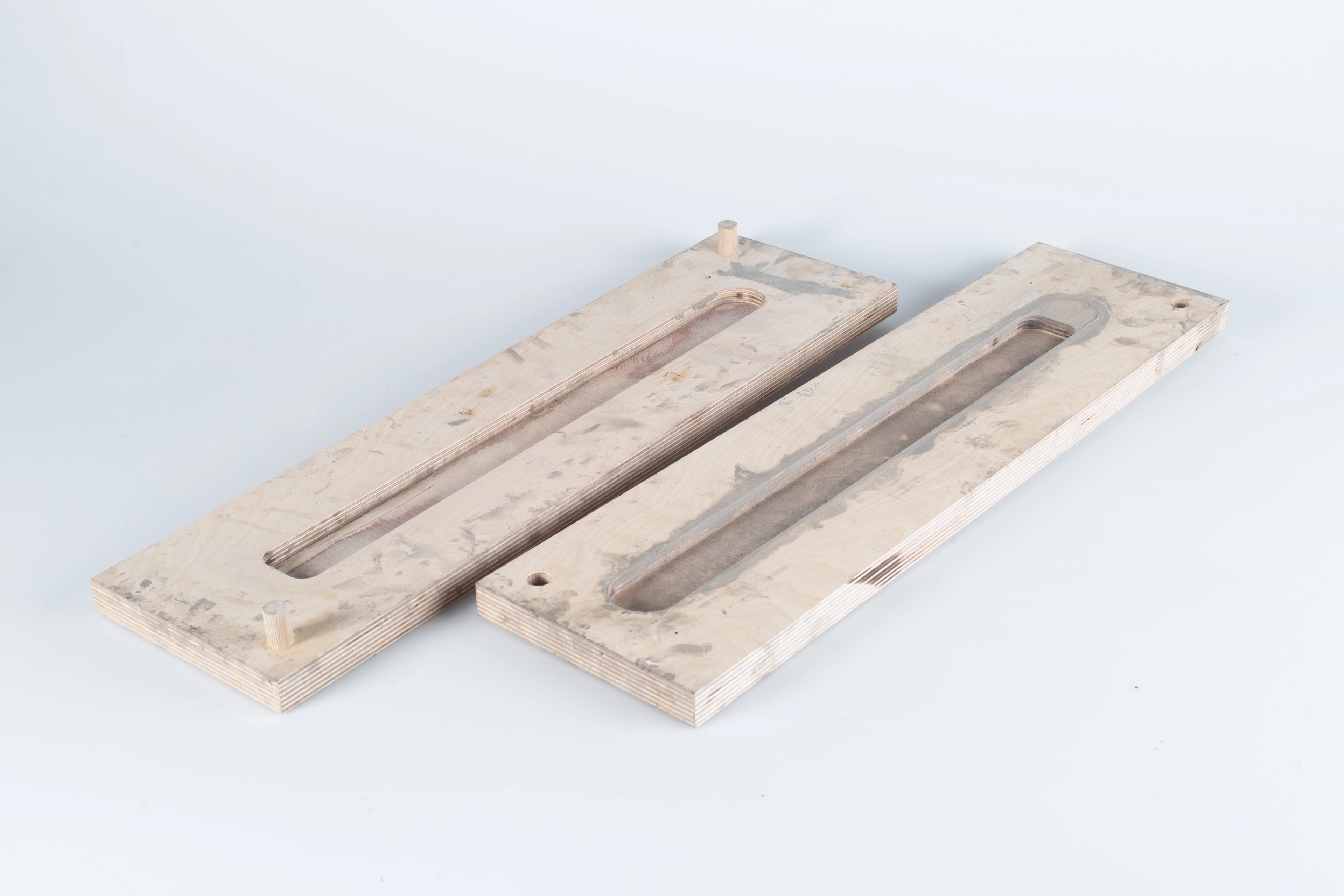
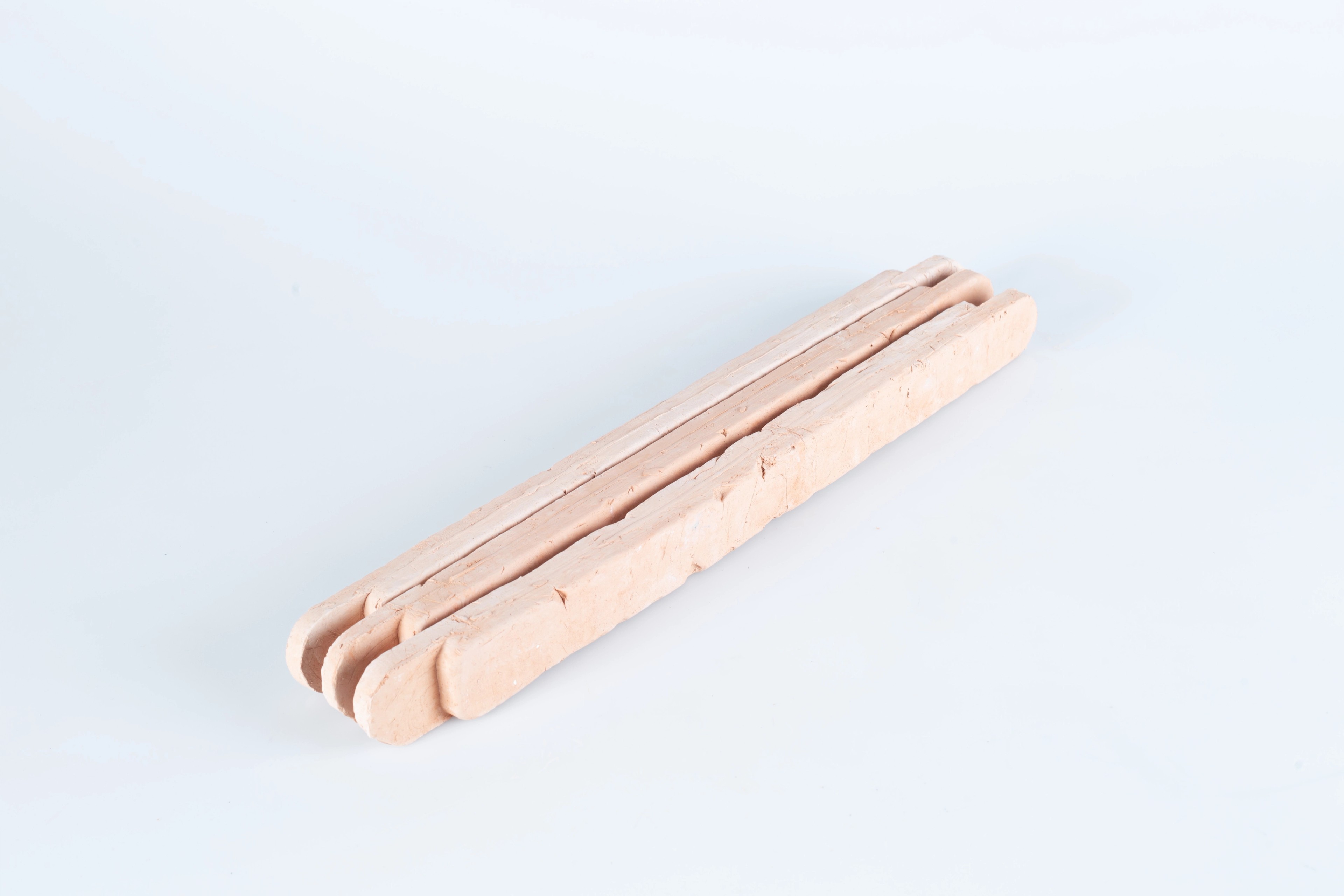
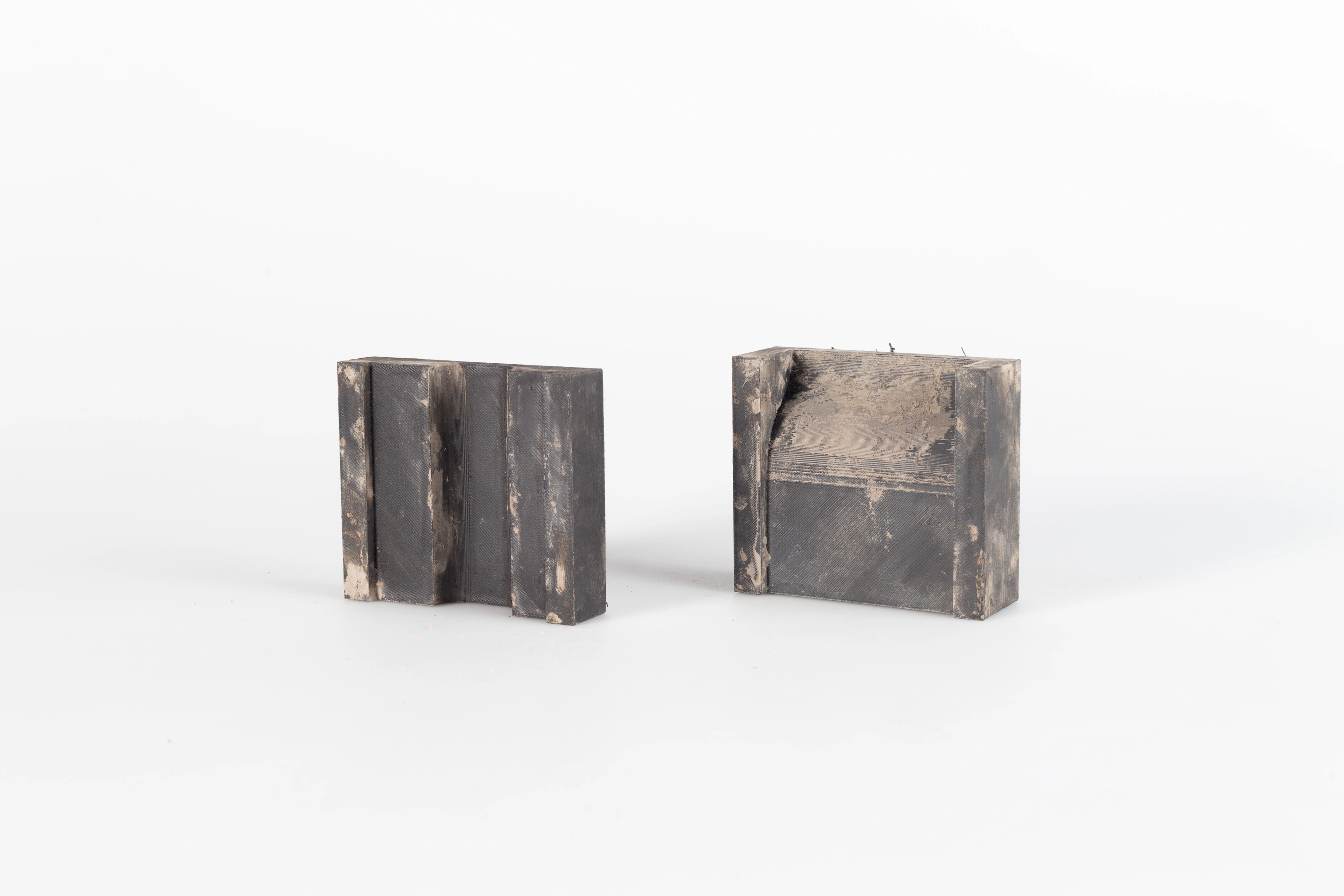
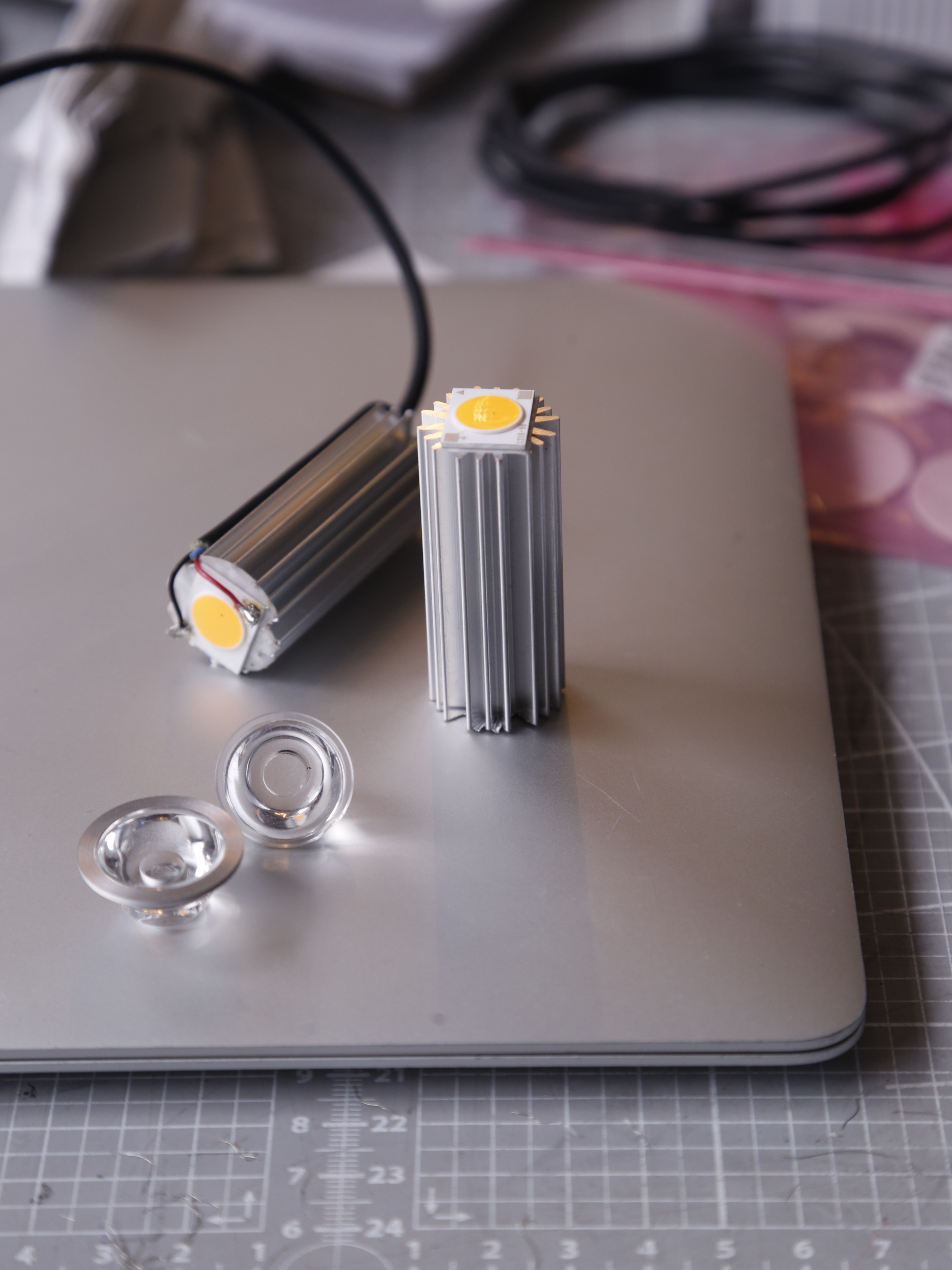
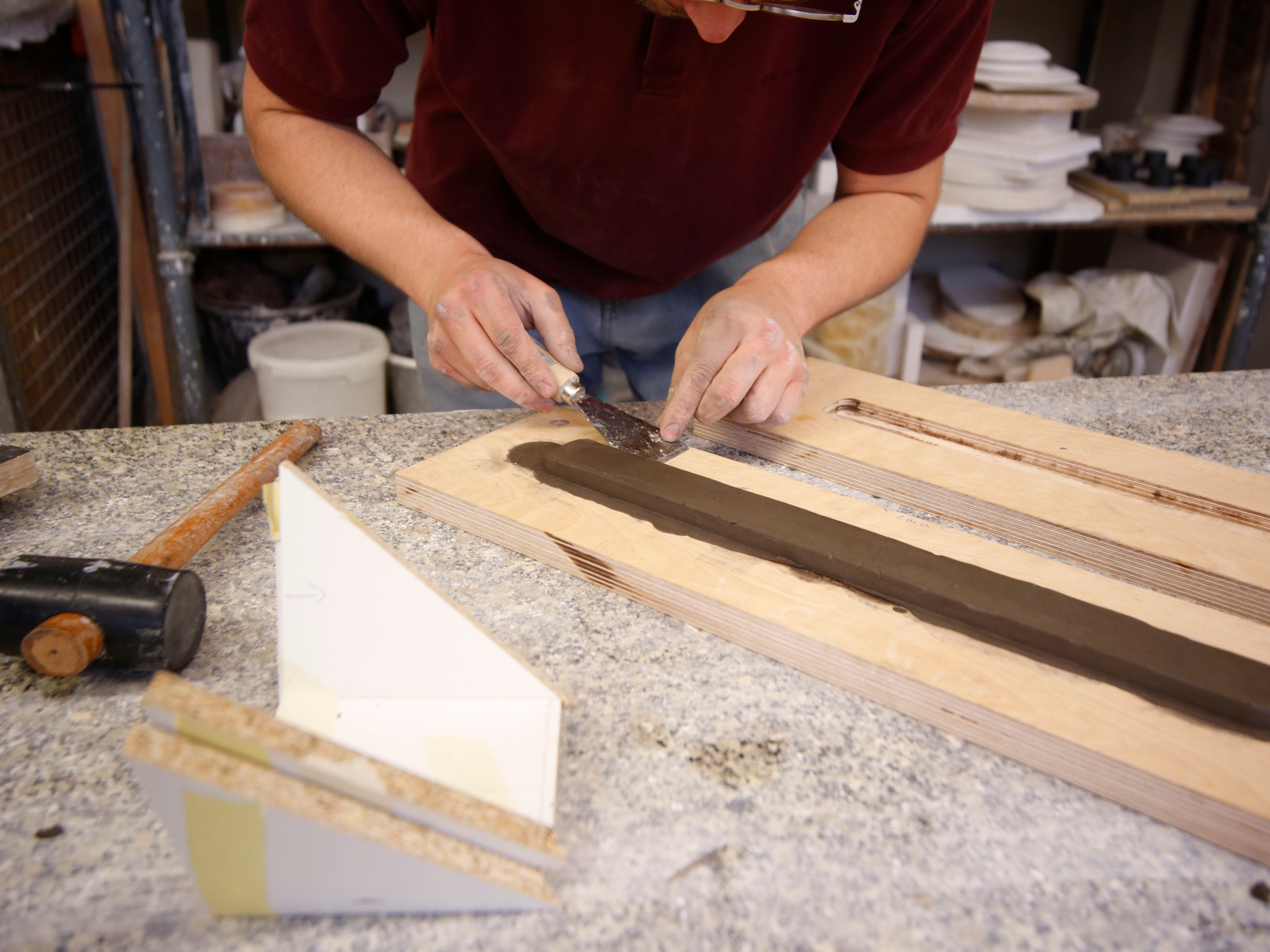
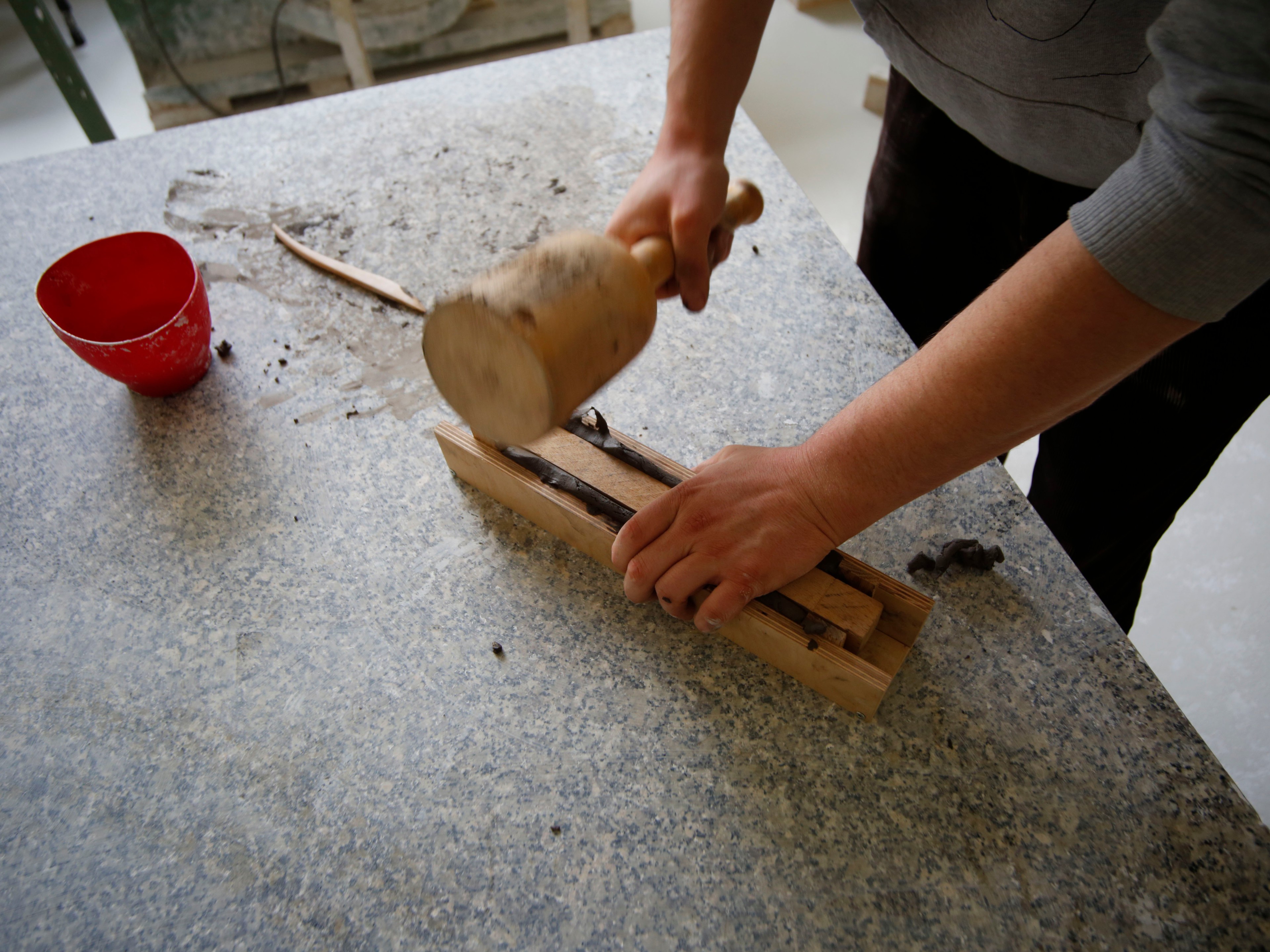
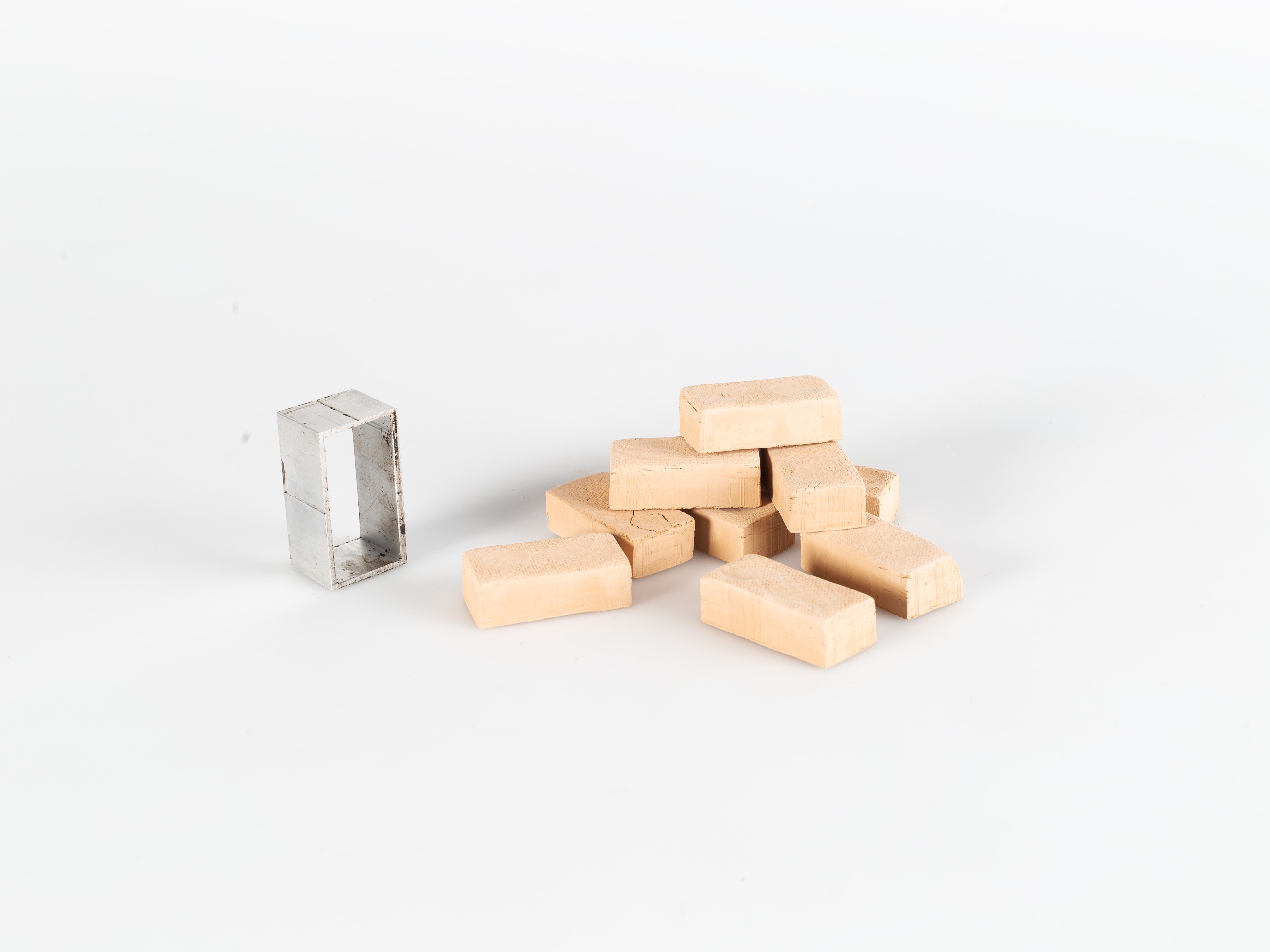
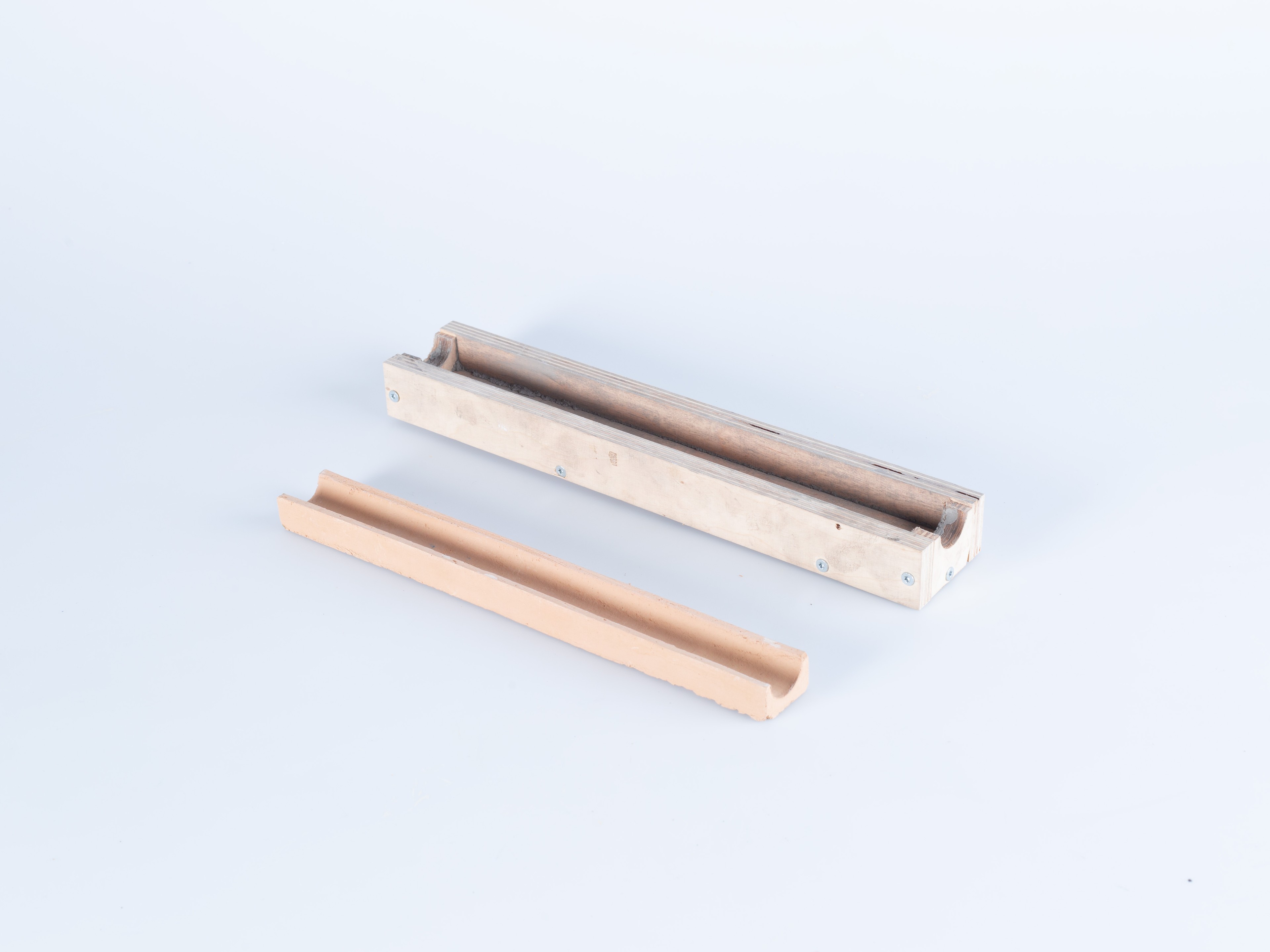
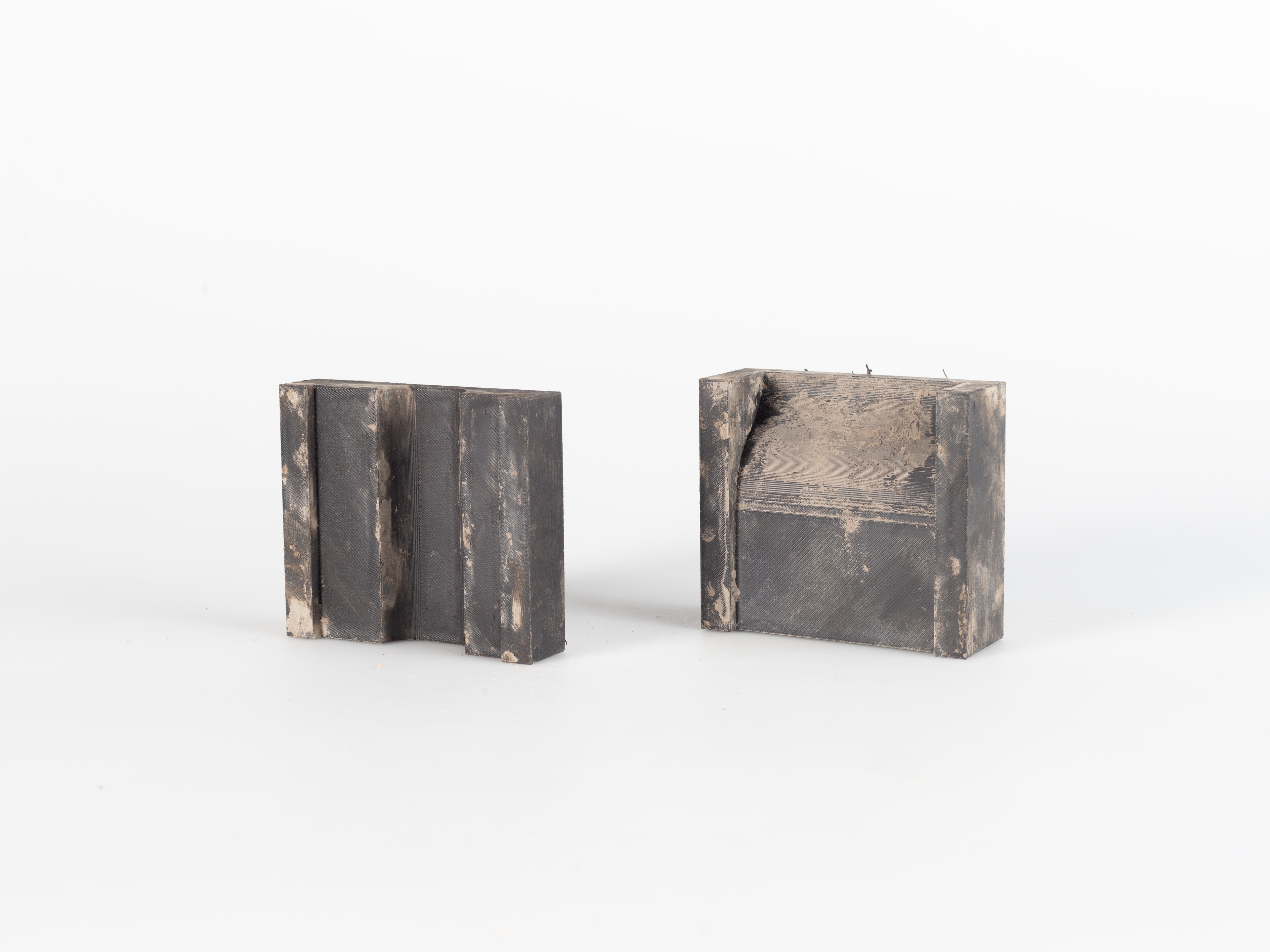
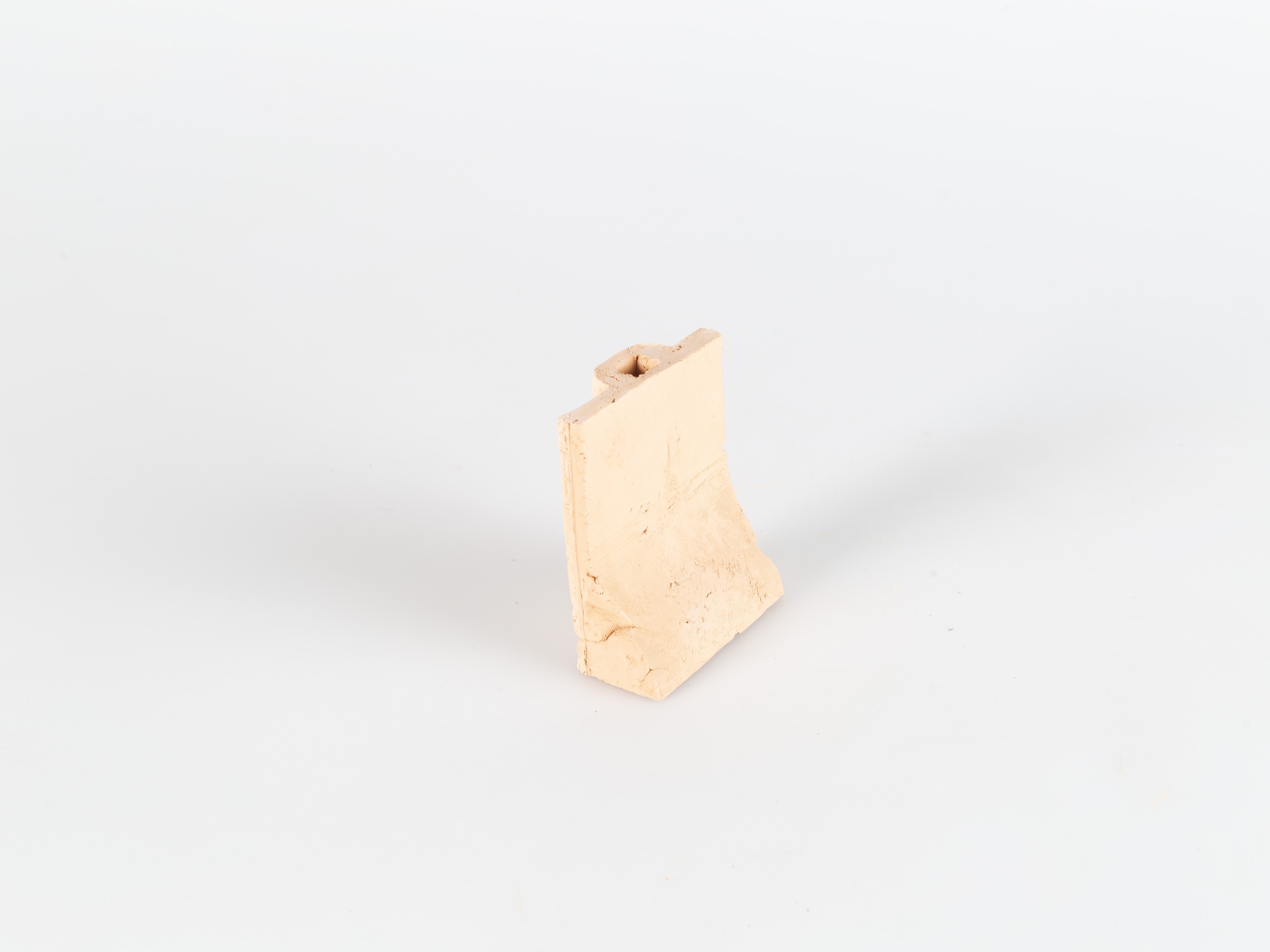
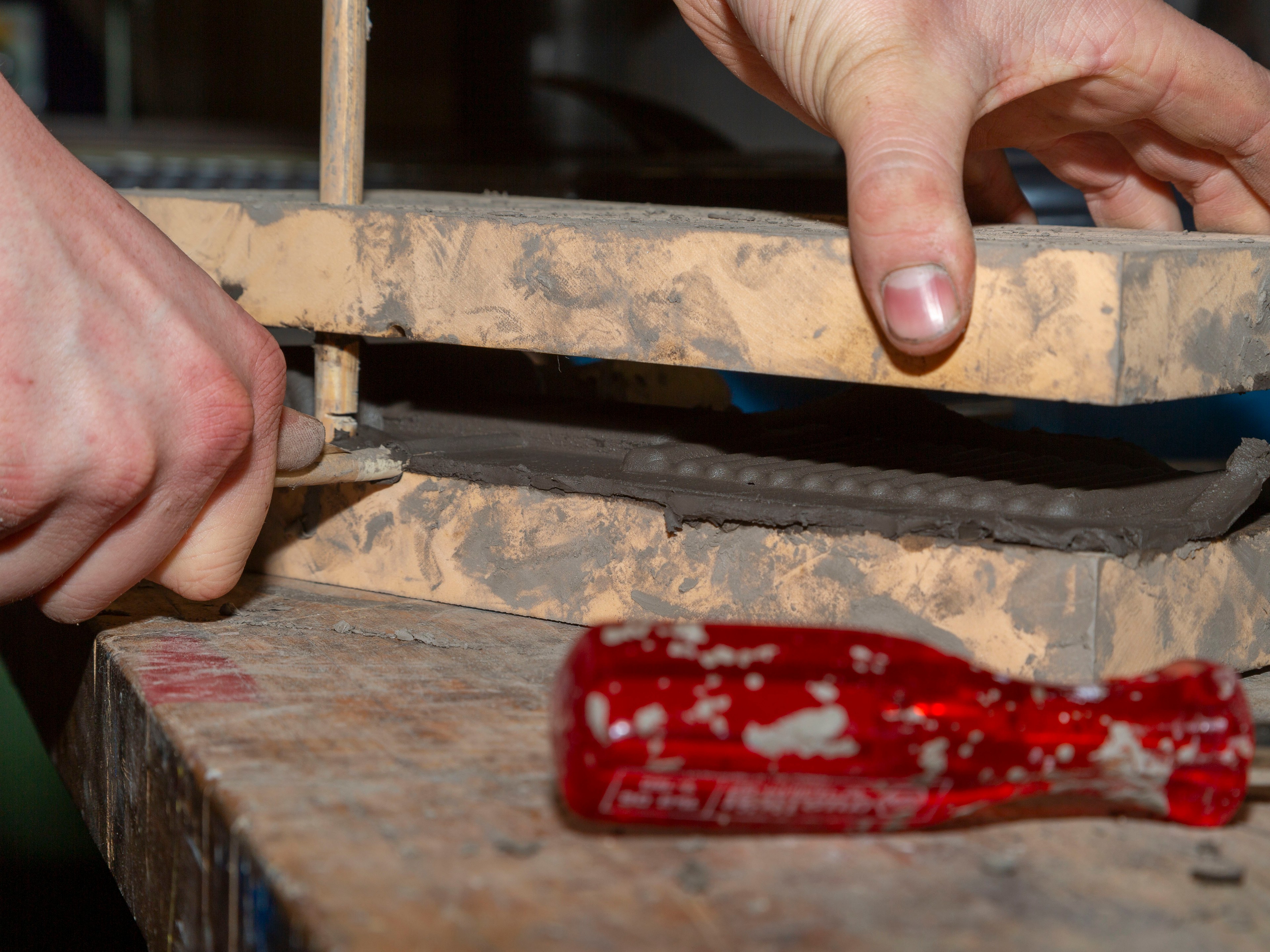
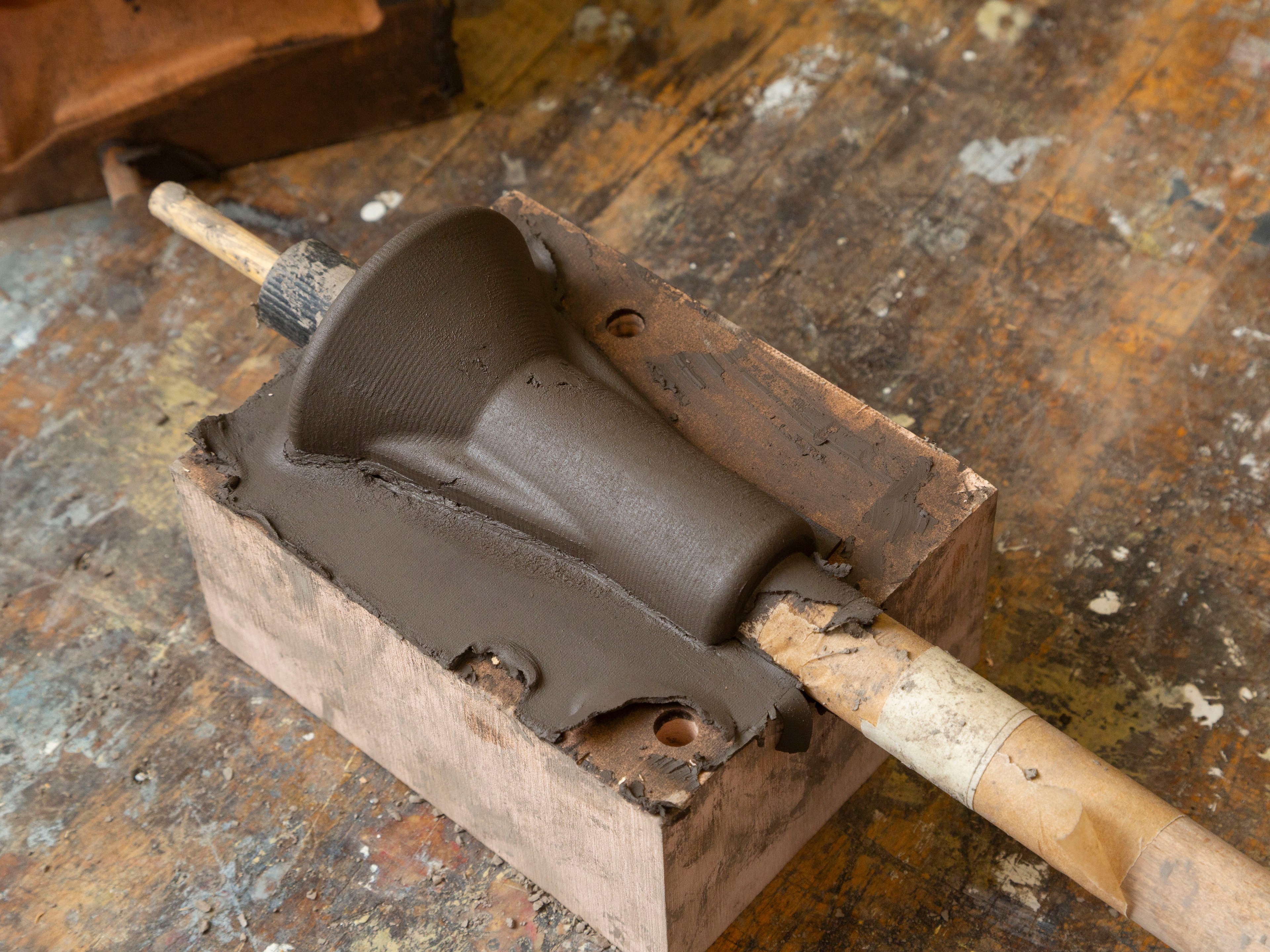
The process of figuring out the right material and production process for the press-molds took a few weeks, several different materials like wood, plaster, 3D-printed PLA and, finally, CNC-milled hard foam were tested. Simultaneously, I tried out different typologies of objects to figure out what kind of things this process could produce apart from the usual bricks and rooftiles. The choice fell on lamps, which offers a variety of use cases and sizes.
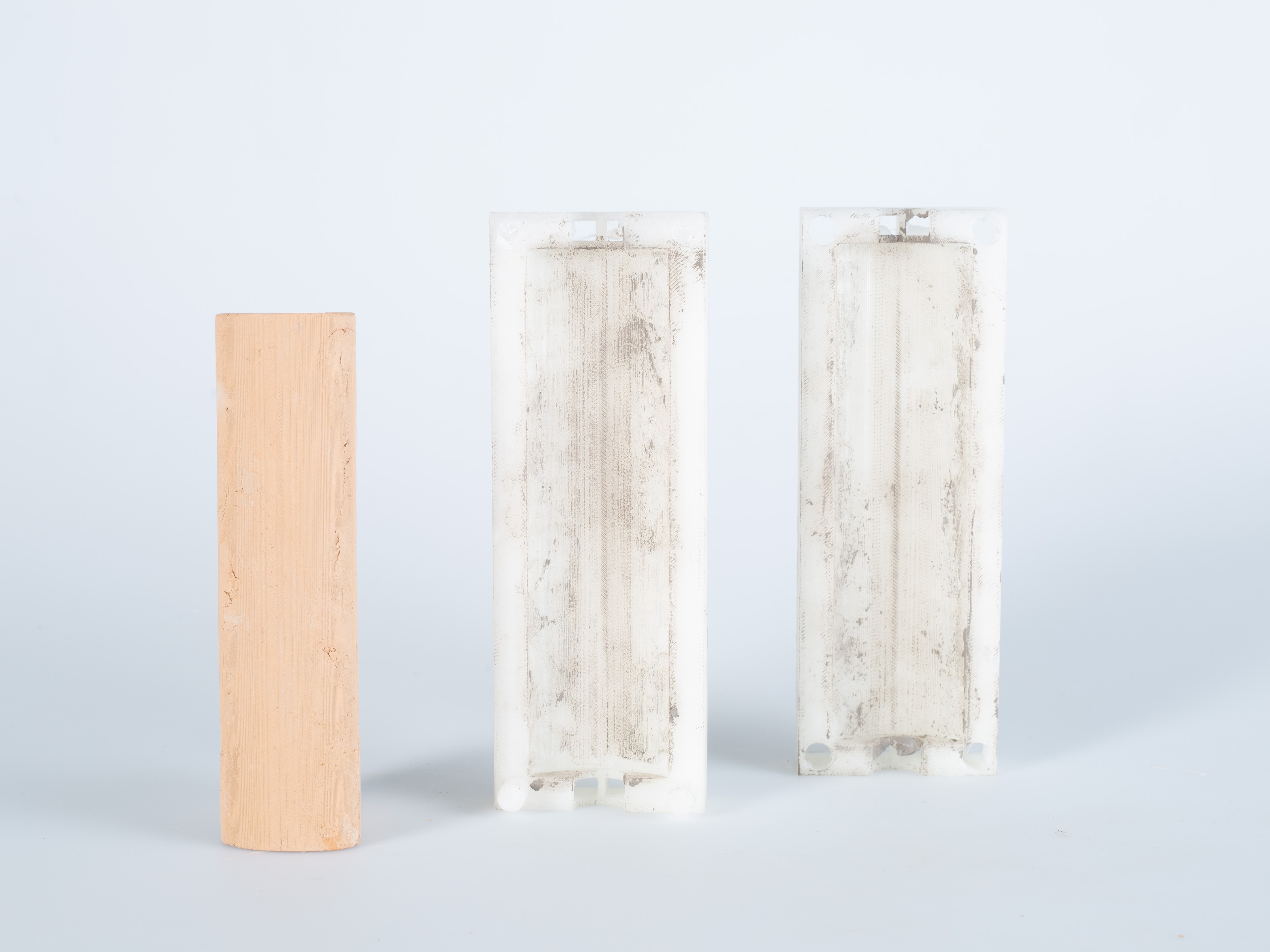
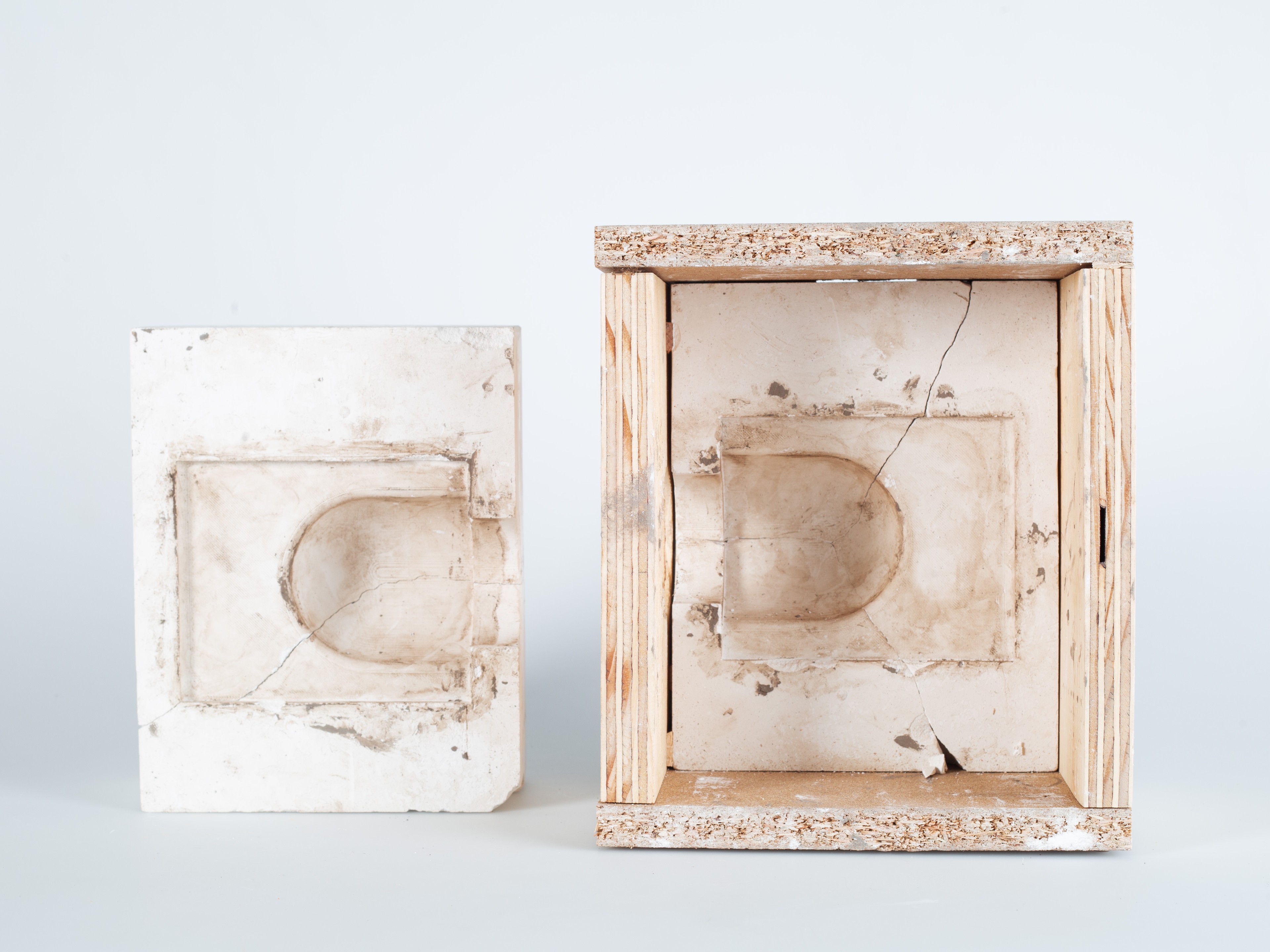
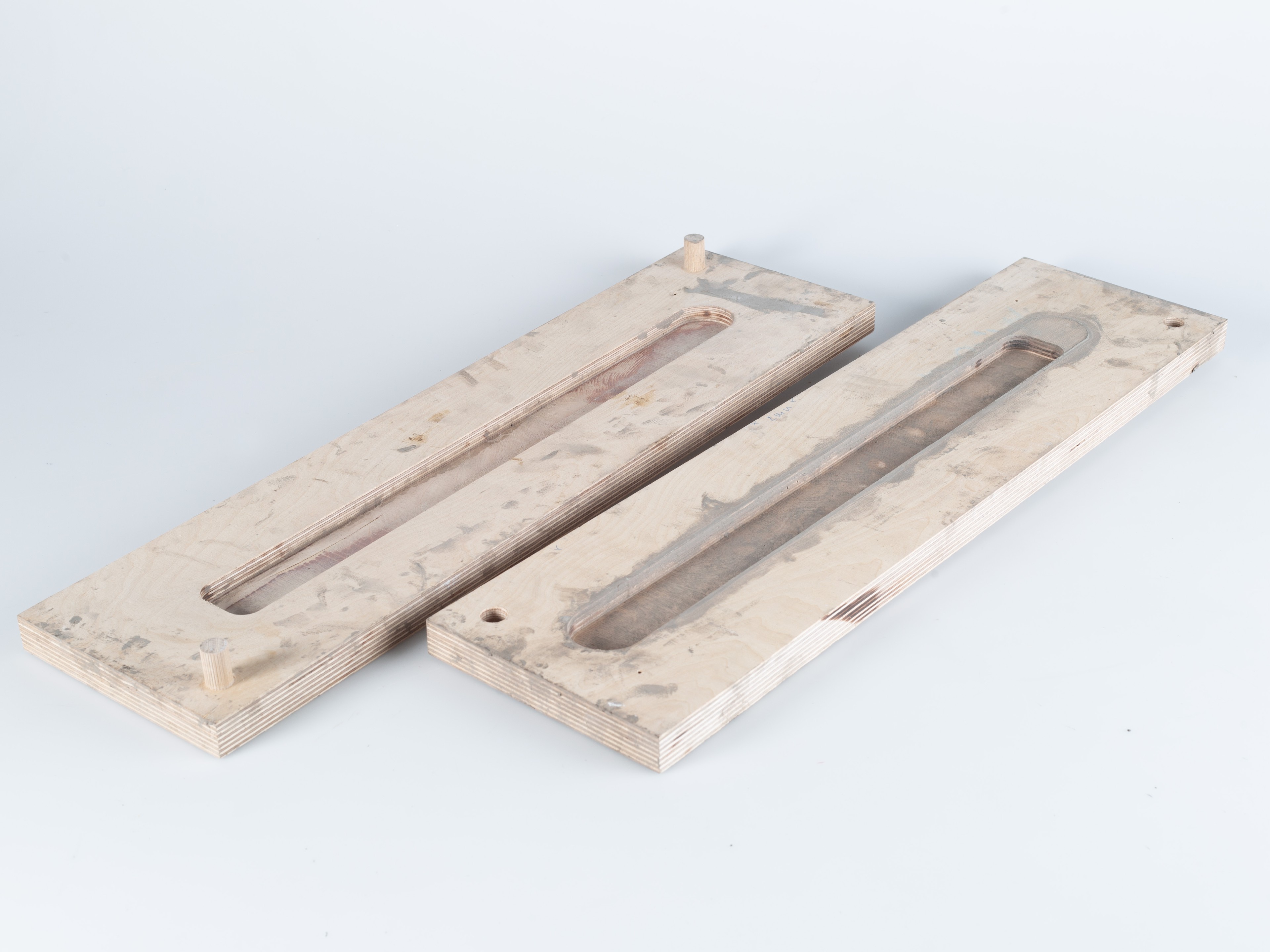
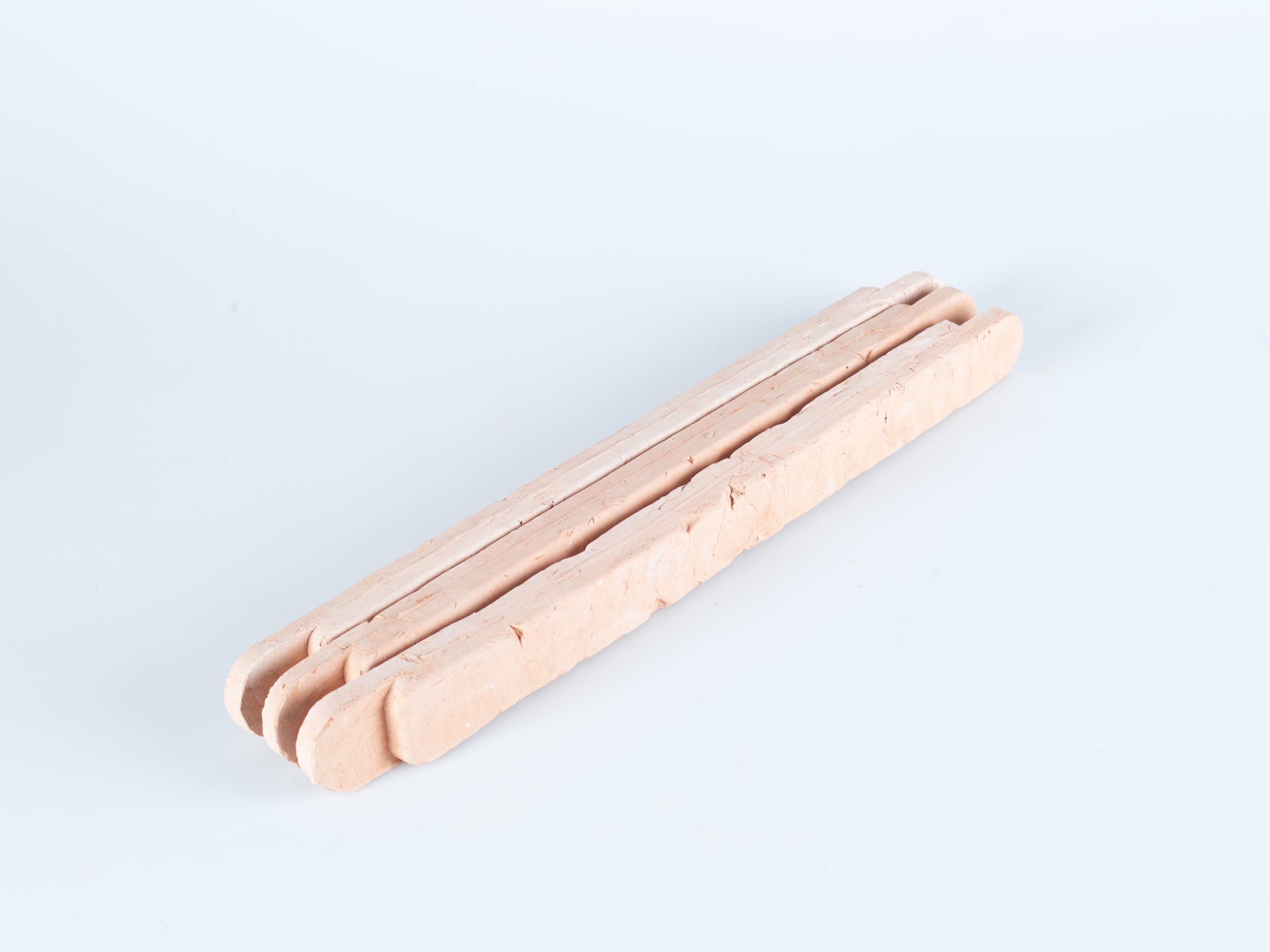
Making the prototypes
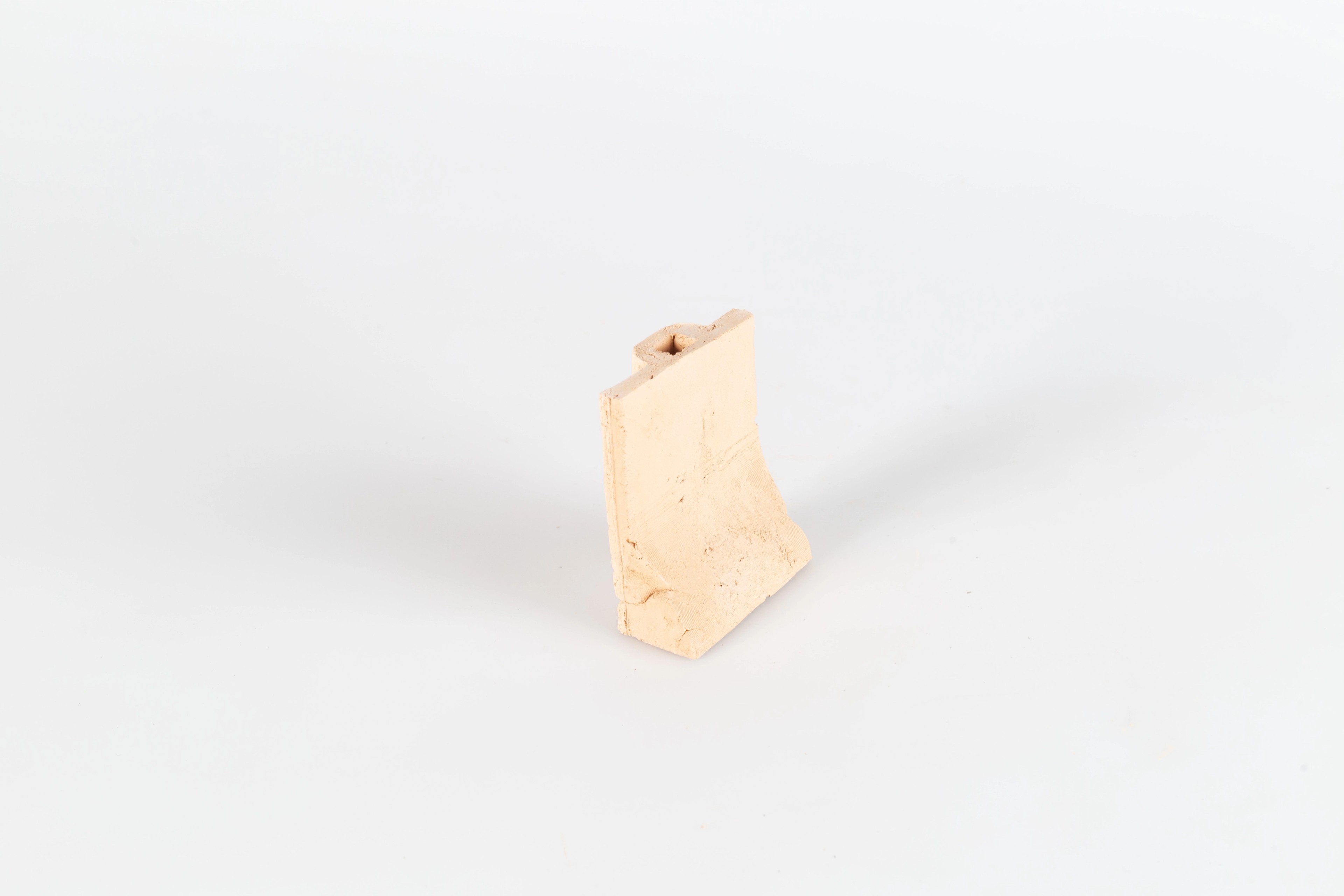
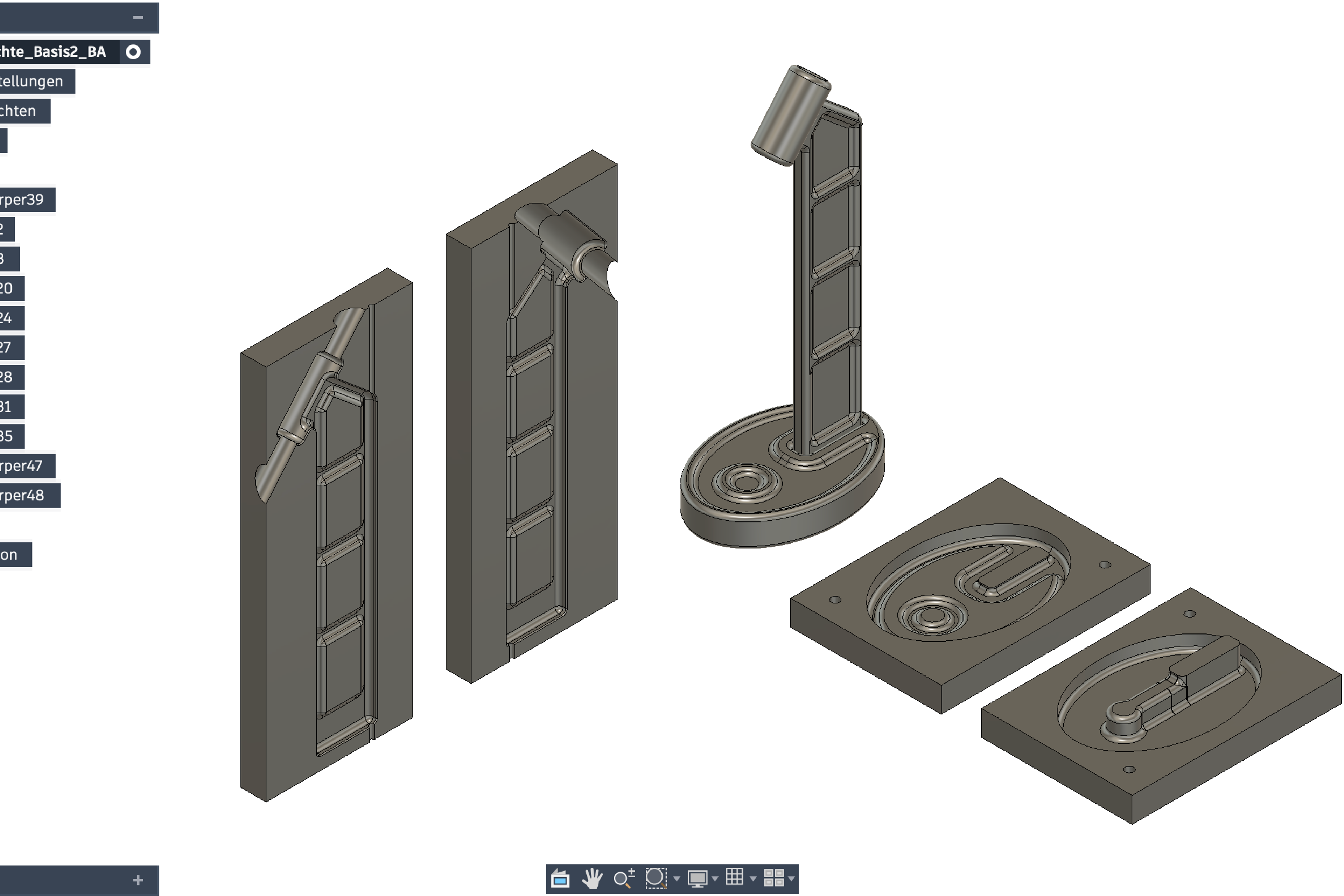
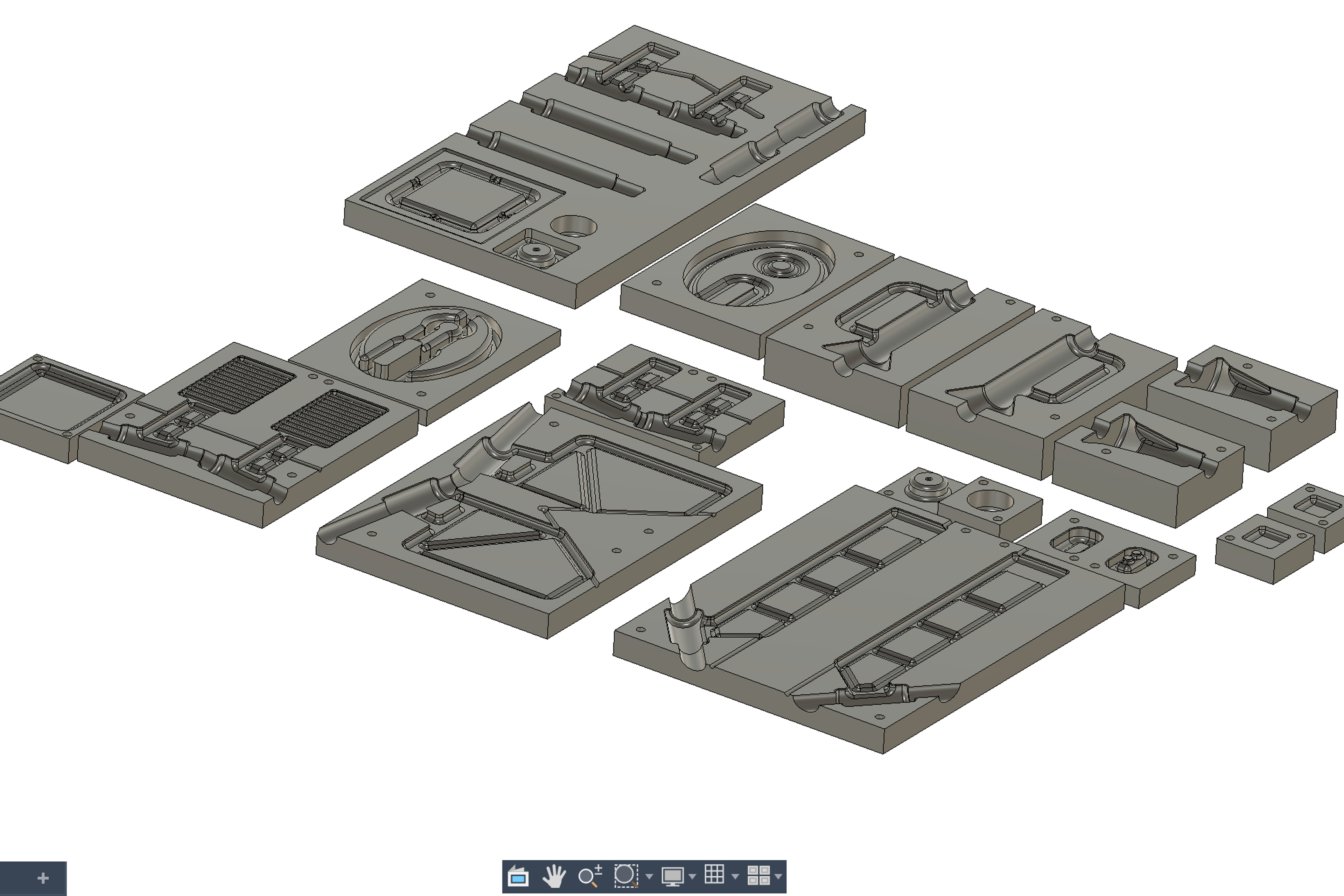
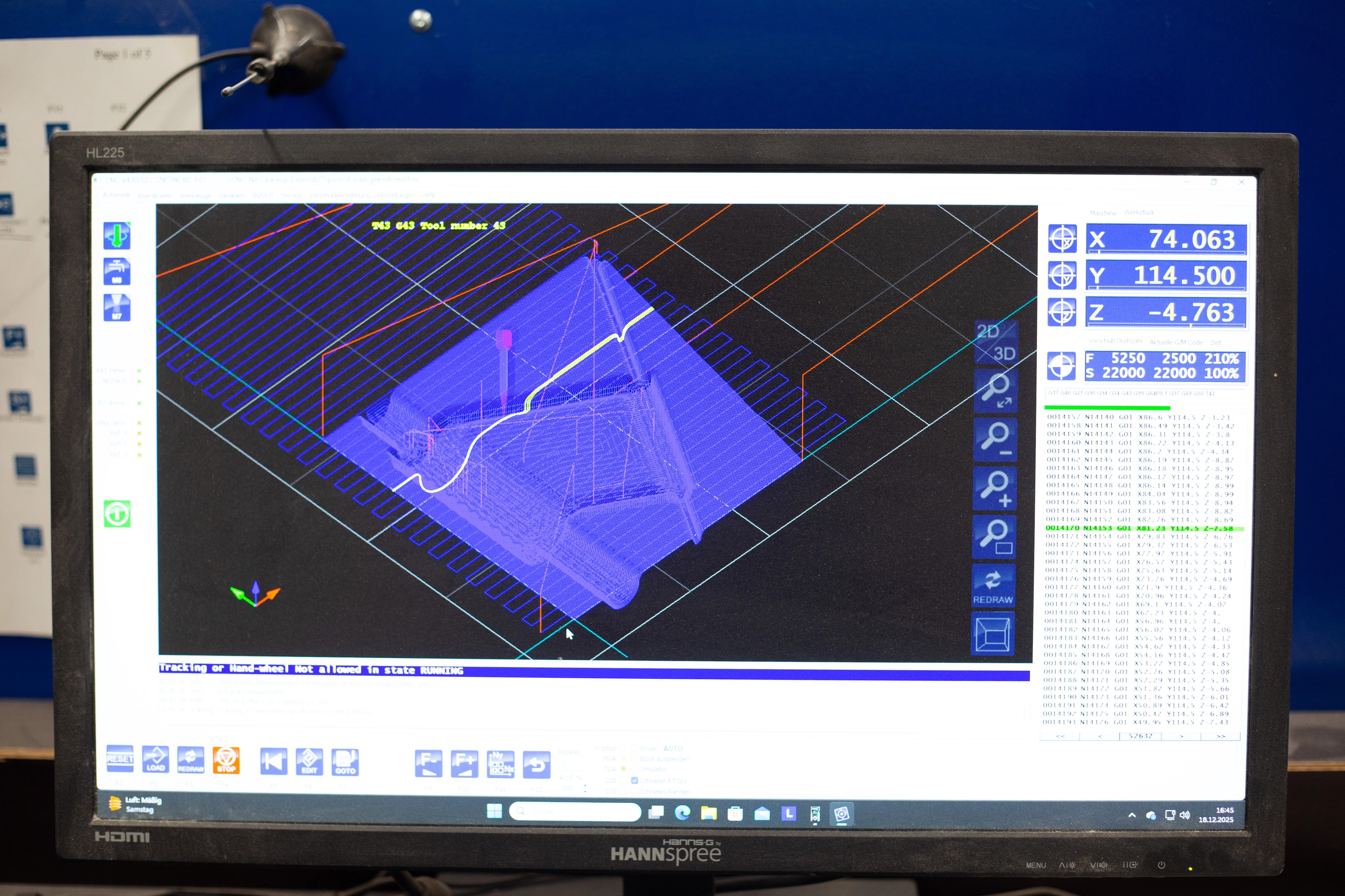
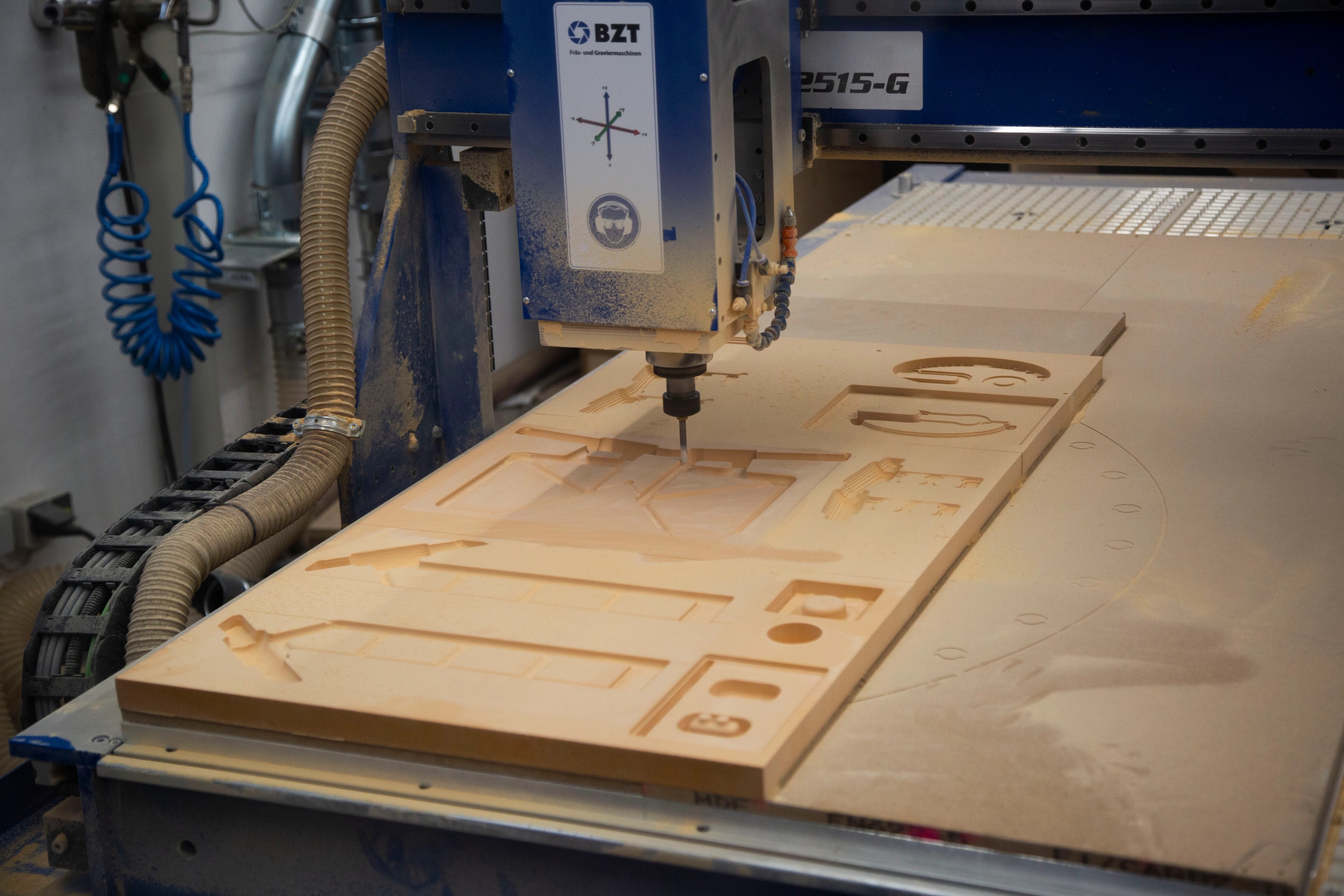
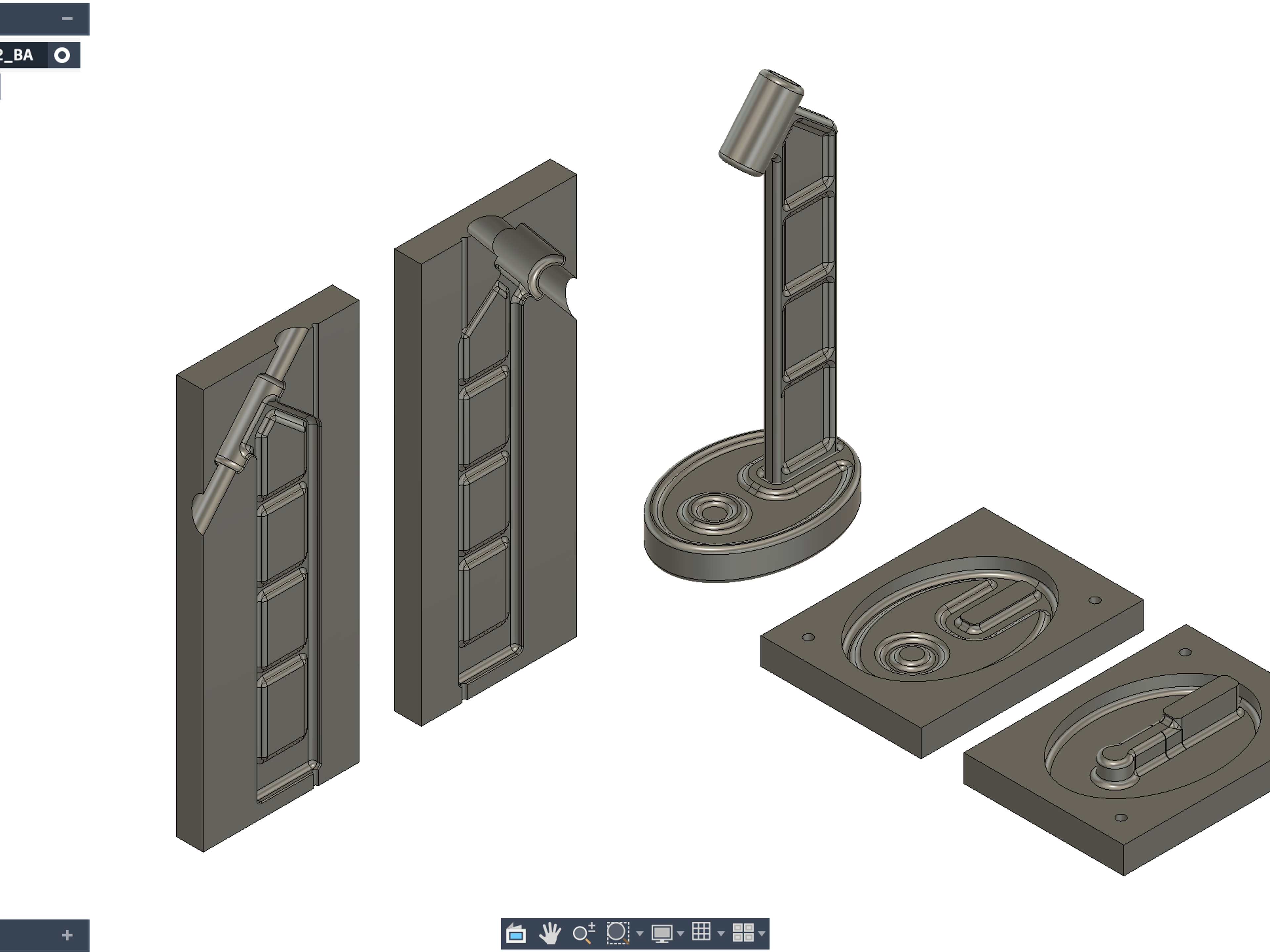
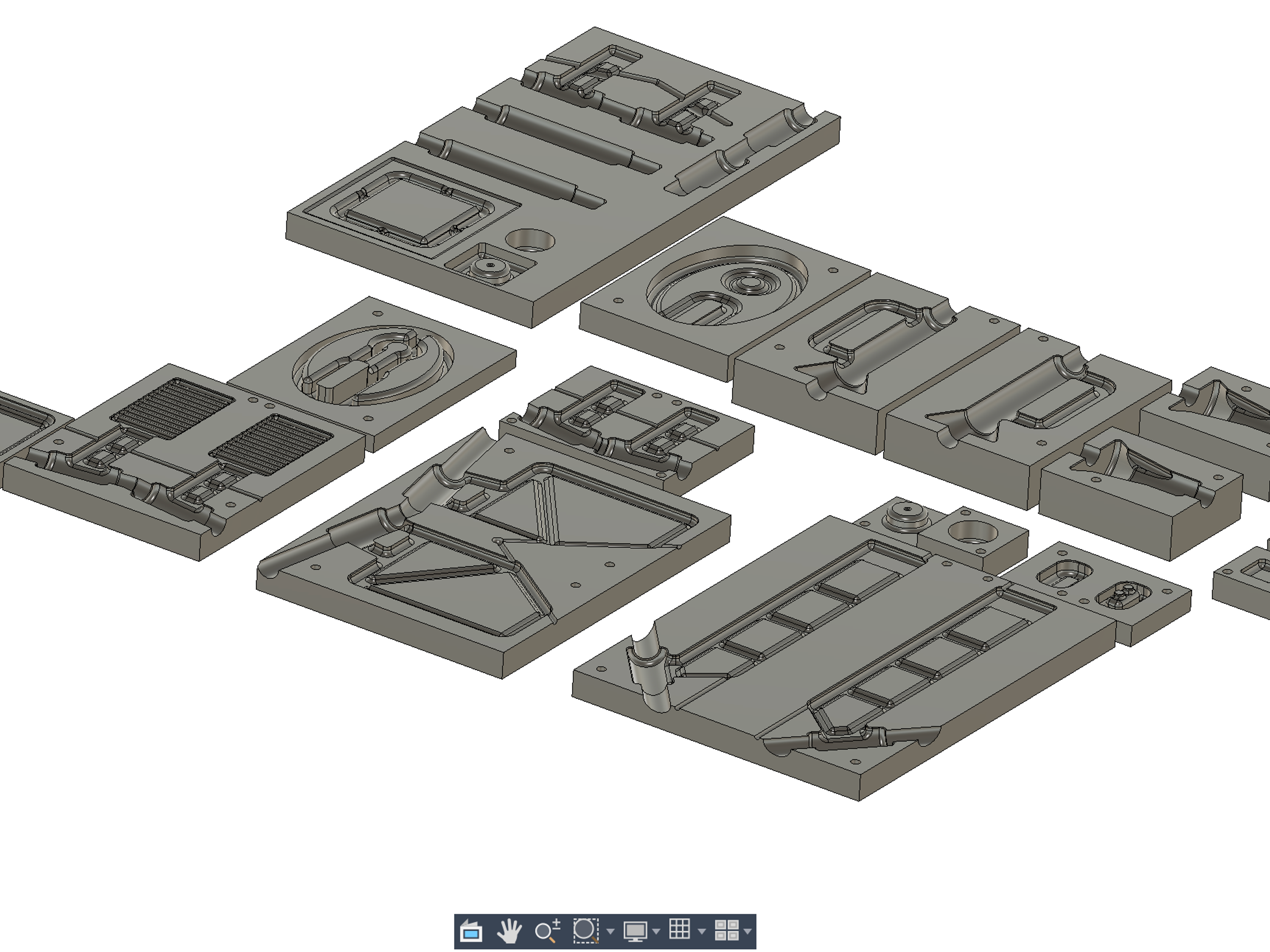
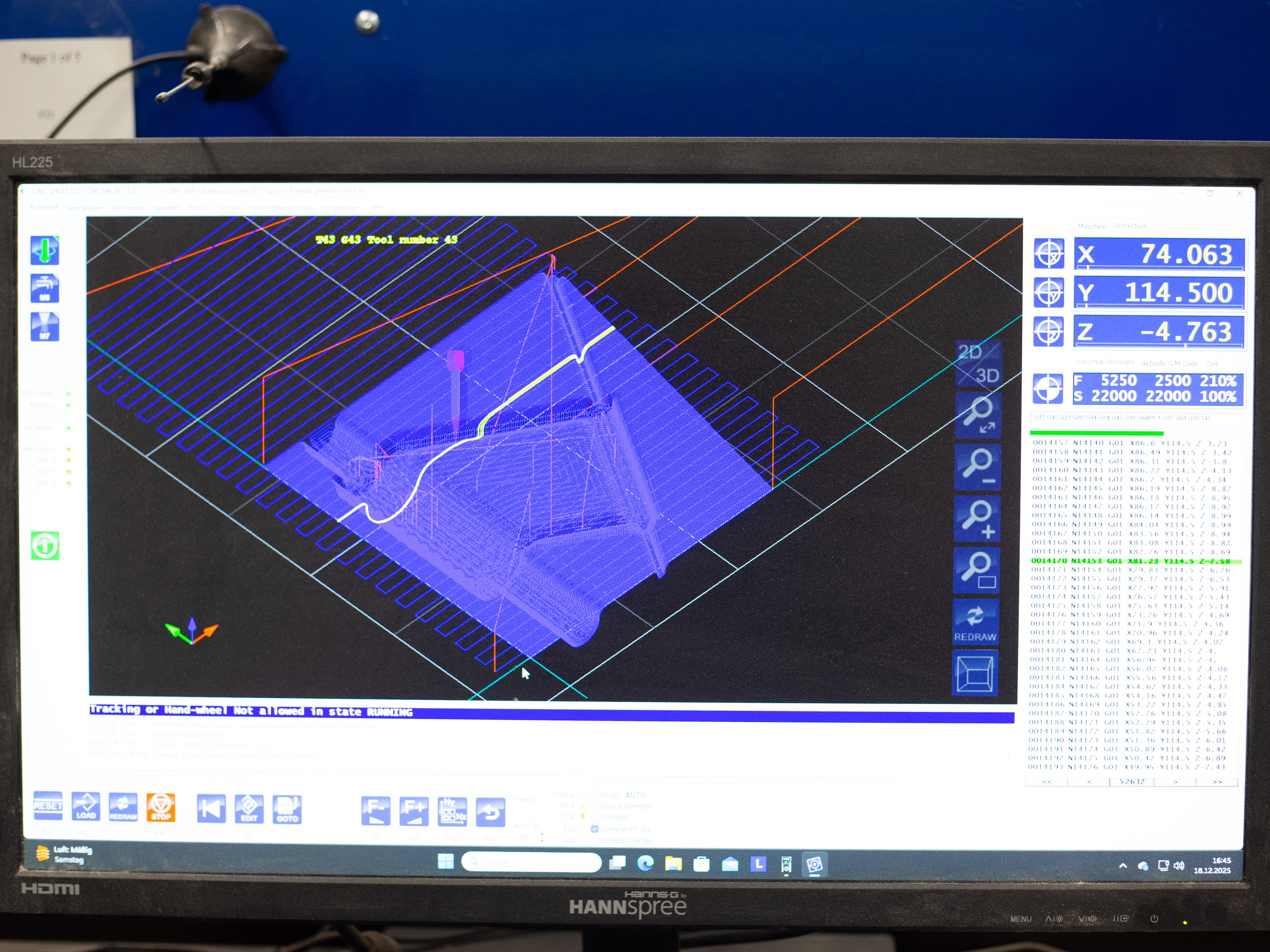
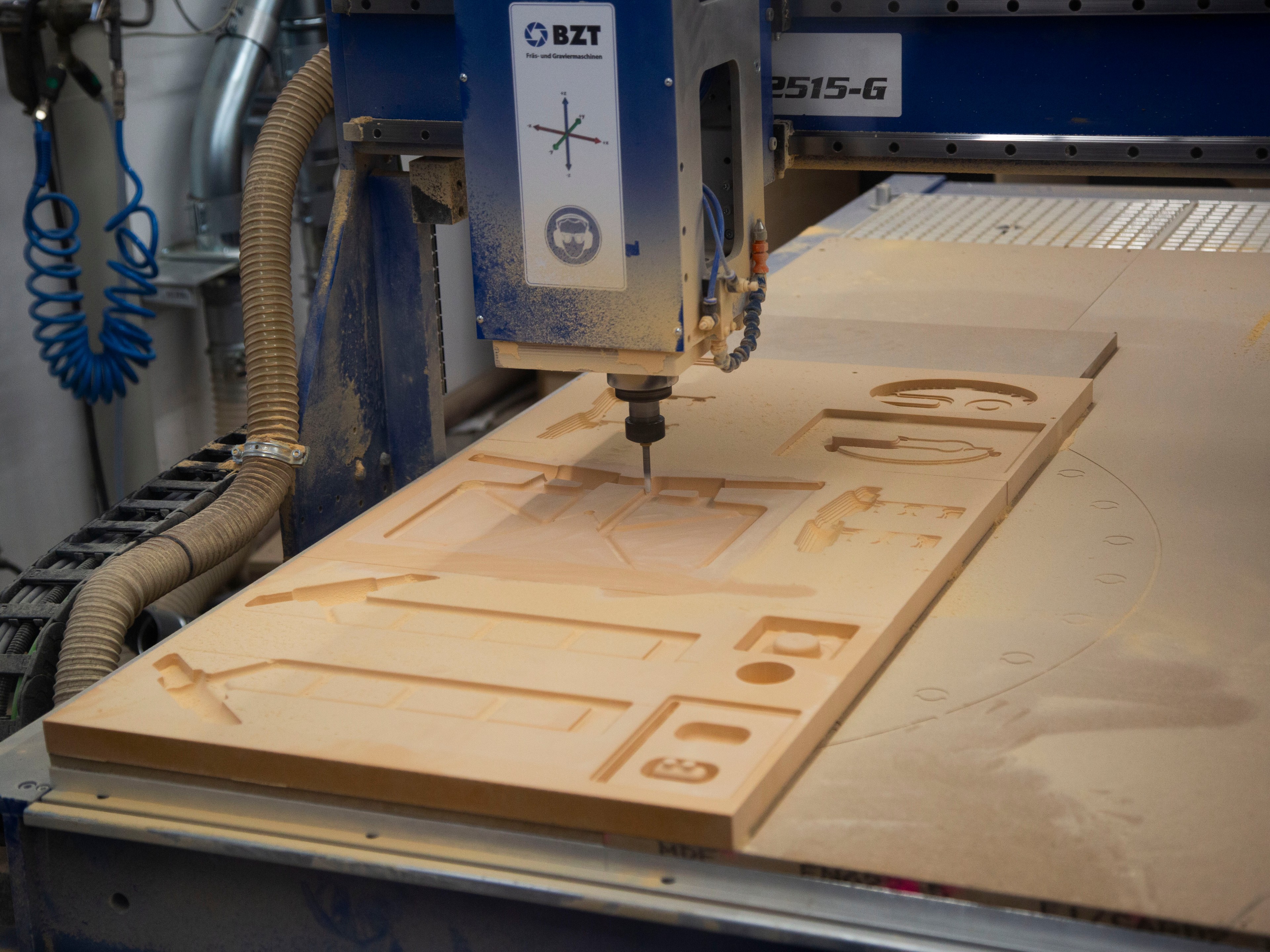
After deciding to go for the CNC-milled foam molds, I started iterating designs in CAD and settled on the five different typologies of the pendant, desk-lamp, flashlight, wall-spot and book-shelf lamp. The molds were then milled on the 3-axis CNC at University. Figuring out the correct consistency of clay, dry times and the installation of a high-quality light source also took a few weeks, before the final prototypes were produced.
Collaboration
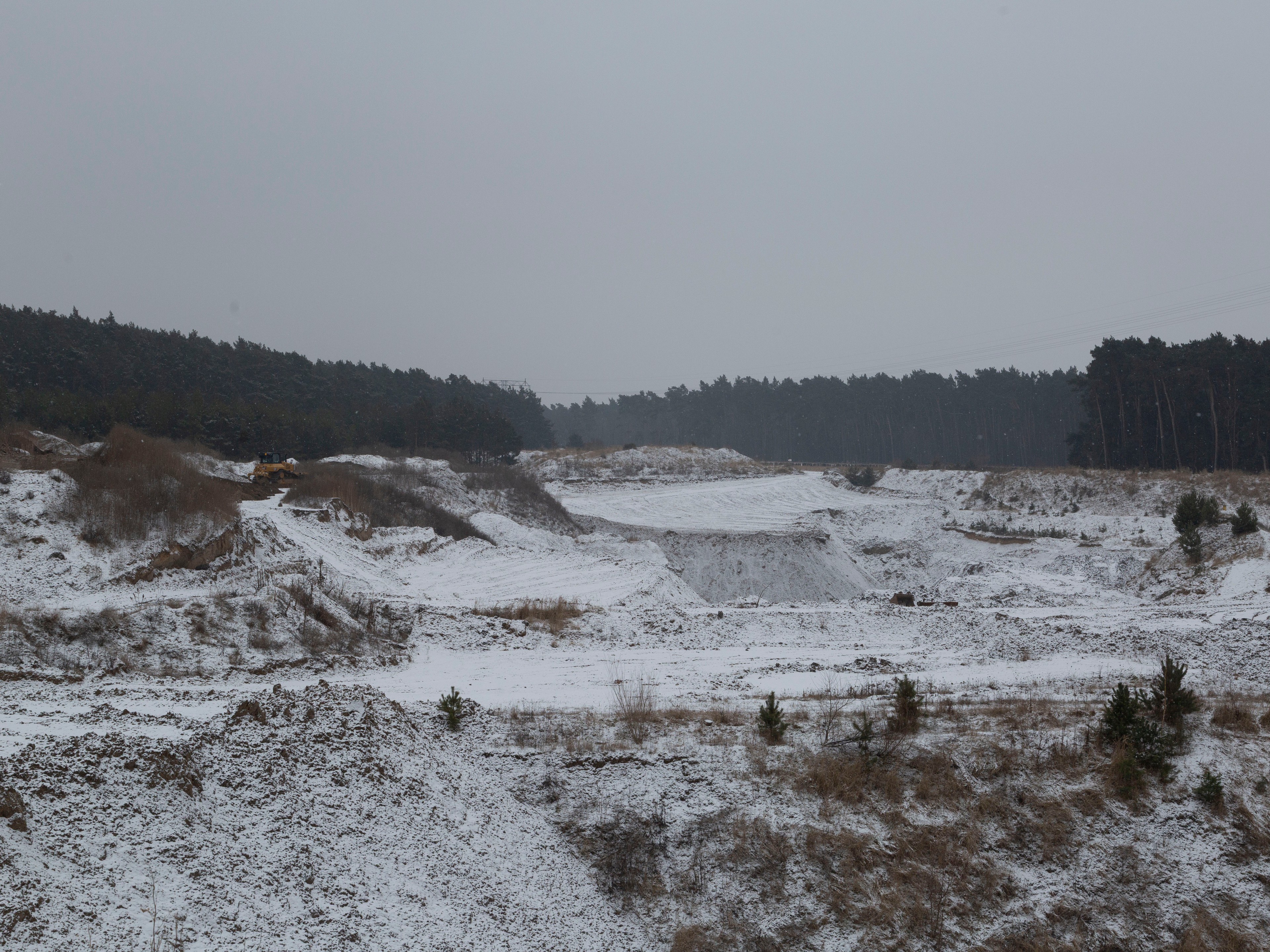
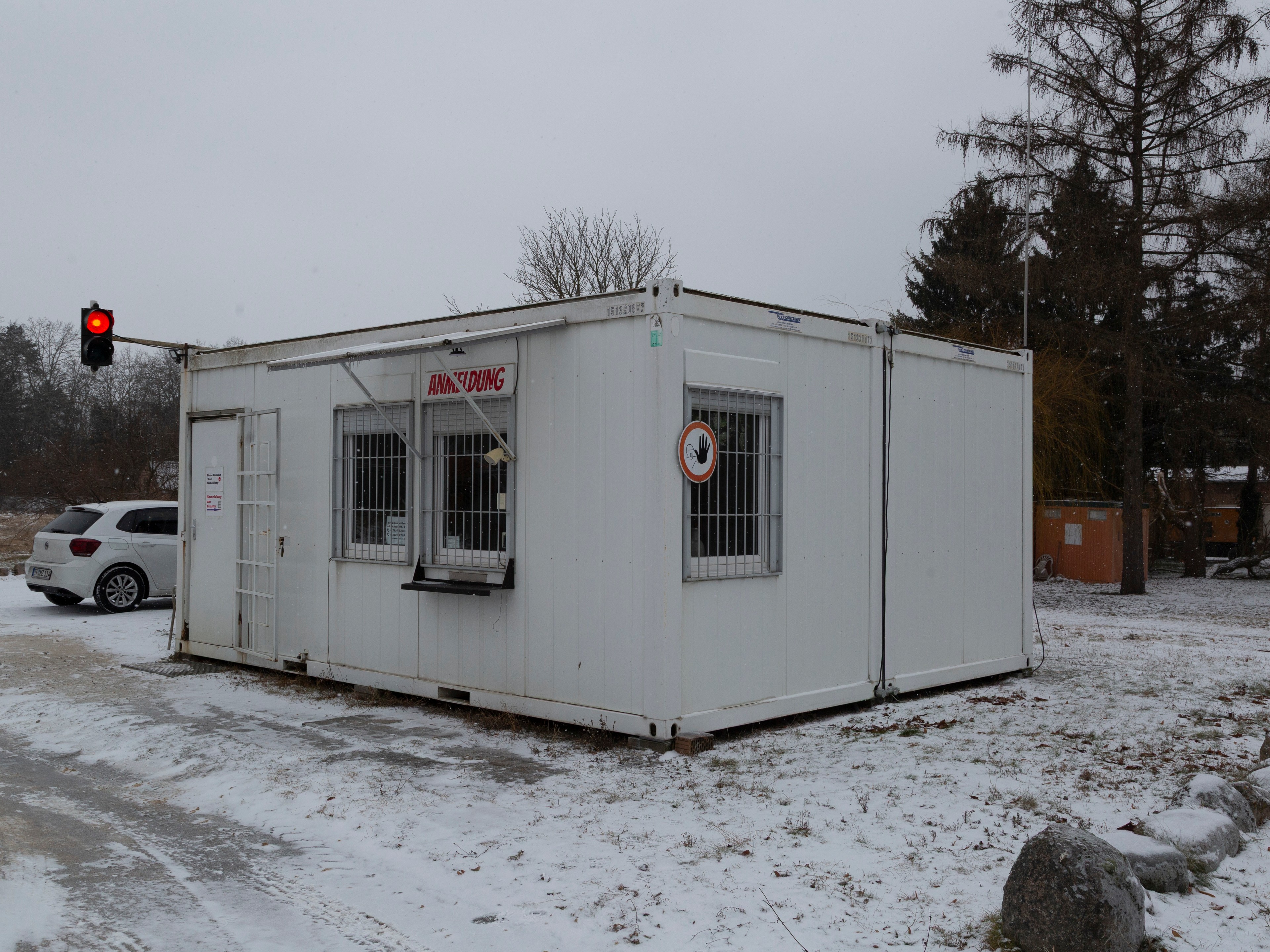
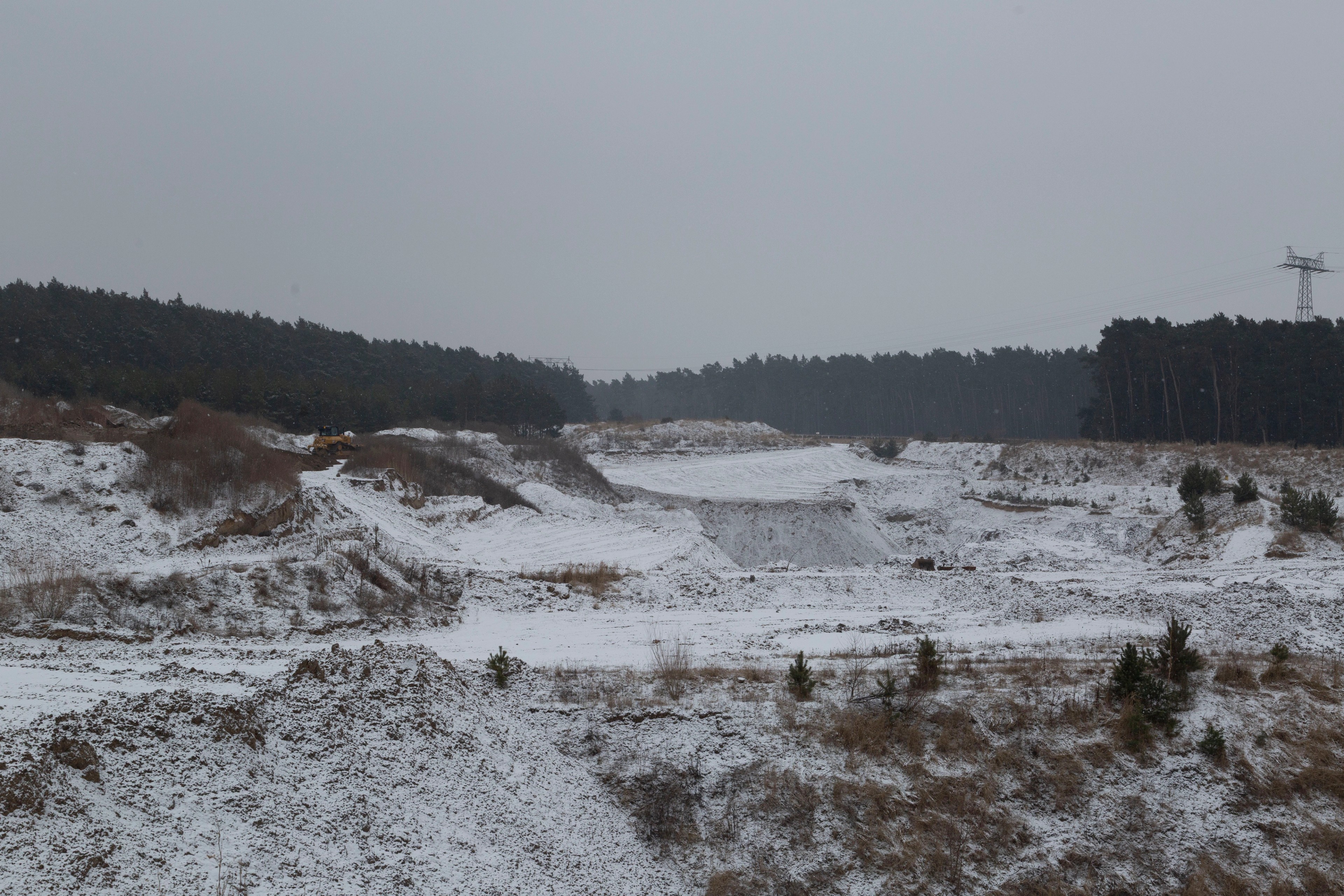
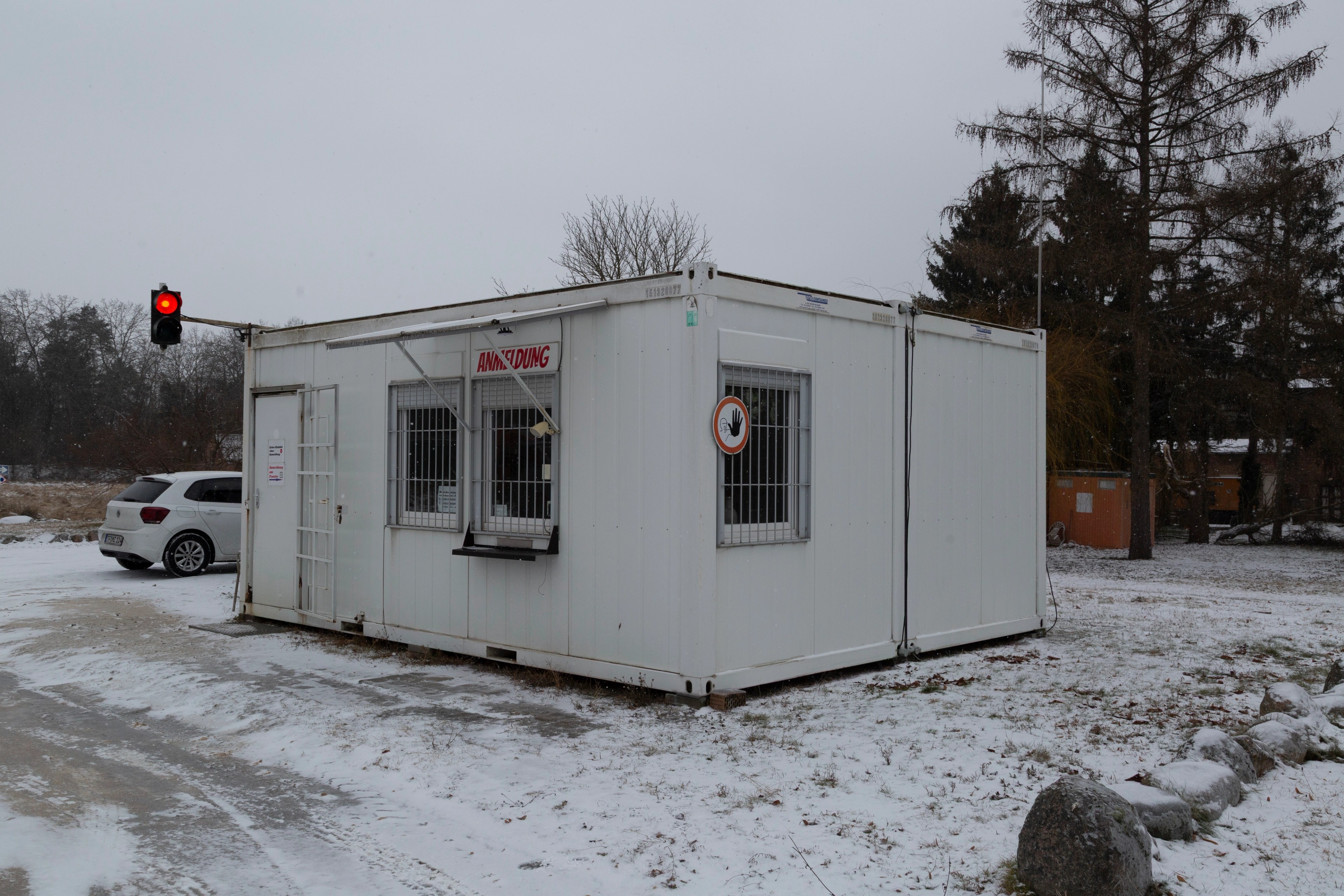
During the project, I was kindly supported by the Märkische Ziegel GmbH, which is a clay pit and former brickworks in Brandenburg, close to Berlin. At the beginning of the 19th century, the site was home to one of largest furnaces around Berlin and produced bricks for the rapidly growing city. The demand for bricks declined after a last surge following the Second World War and after consolidations during GDR-times the plant closed down and the furnace building was torn down. What remains is a huge clay pit which still produces some clay for separation layers in landfills. An interesting takeaway from the visits at Märkische Ziegel is that the large scale production of anything using clay can only happen with an on-site clay pit, because the transport costs of the heavy material are so high that even short distances aren't economically viable.